
Winter’s coming; is your home ready?

Preparing your home for winter can go a long way to keeping you toasty day and night – and maybe a lower power bill too. Here are five ways to prep your home for winter.
1. Swap out the summer bedding
Good sleep is vital to our health and wellbeing, so it pays to get your sleep environment right. In winter, that means staying warm without overheating, to prevent disrupting a good night’s rest.
That thin quilt, doona, duvet – whatever’s your preferred term – might cut it in February, but it won’t fit the bill when the mercury dips closer to zero. You can buy a huge range of quilts (that’s what this author calls them) in materials including wool, cotton, bamboo and goose down. Check the GSM (grams per square metre) rating – the higher the number, the warmer the quilt. A GSM of 500 or more is a solid winter choice.
As with dressing for the cold, layers give you options. Combine your comfy quilt with flannelette, cotton or linen sheets and a removable blanket until you find your ideal setup. An electric blanket is also worth considering because it heats your bed rather than the whole room, making it cheaper than running a heater. Just remember to switch it off before you drift off to sleep.
2. Check your smoke alarms
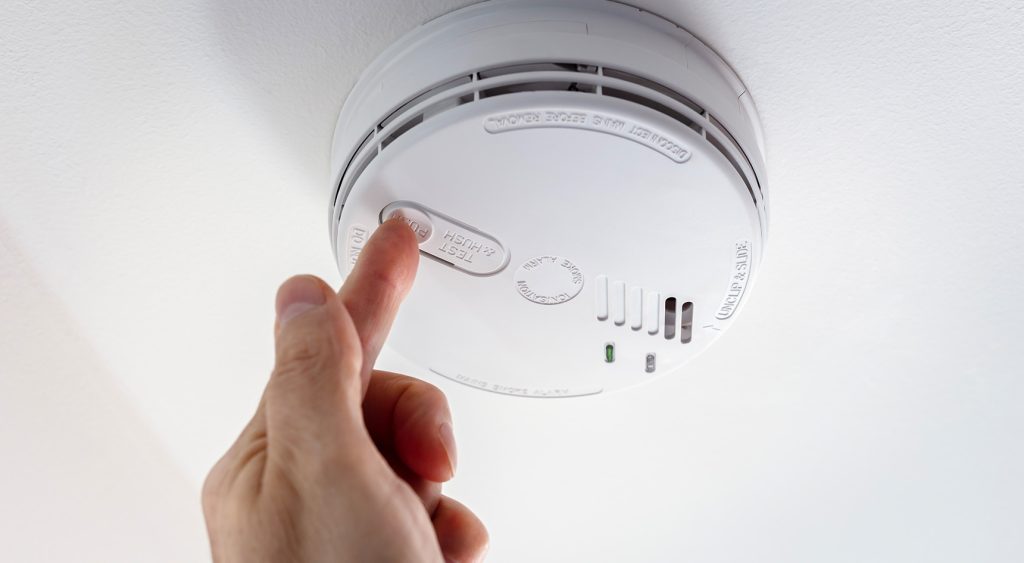
Colder weather means you’re using heating appliances and fireplaces more often, so now’s the time to check your battery powered and hard-wired smoke alarms. Vacuum them to remove sensor-blocking dust, change the battery, then press and hold the test button for five to ten seconds. No loud siren means the alarm’s expired or faulty and needs replacing. If the alarm is at least ten years old, install a new one, as sensors lose sensitivity over time. Get a qualified professional to help you if you’re unsure how to install a fire alarm.
For fireplace owners, have the chimney cleaned and inspected by a professional before first use, as creosote build-up can create a fire hazard. Check the damper opens and closes properly and look for any cracks in the flue. It’s also worth stocking up on firewood early and storing it somewhere dry. Demand for wood picks up quickly once the cold sets in, and so do wait times.
3. Clear your gutters
Despite being Australia’s driest state, SA gets its share of heavy downpours. Clogged gutters, downpipes and drains can overflow and cause internal water damage, so clear out any autumn debris, or hire a professional to do it for you.
While you’re outside, trim any tree branches that could come down in high winds and check exterior timbers for cracking or rot. Barbecues, outdoor furniture and anything else you’d rather keep dry should be moved undercover where they’re less likely to take a battering.
4. Wake up your heating from its long nap
Like a car, your heater needs regular servicing to perform at its best. Before winter arrives, have your heater professionally serviced to ensure filters are clean and it’s running efficiently. If you have a gas heater, have a qualified gasfitter inspect the appliance to make sure it’s working effectively and there aren’t any carbon monoxide leaks.
If you have ceiling fans, see if they have a winter mode and switch them over. This’ll help keep the warm air closer to the floor where you need it most and will also help cut your energy bills by increasing your heater’s efficiency.

5. Say goodbye to draughts
Draughts are prolific heat thieves, making your heater have to work harder – hello higher power bills. Look for gaps around windows, doors, skirting boards or anywhere else the cold air could be coming in the house. A candle can help here. If it flickers, you’ve probably found a draught. Reseal gaps with a caulking gun or attach self-adhesive weather seals around window frames to help block draughts. A door sweep with a rubber guard is one way to reduce the amount of air rushing under the doors from outside.
Inside, use door snakes or rolled-up towels to block cold air from unheated rooms. Consider rugs and carpets to cover gaps in the floorboards and ventilation covers that help stop warm air escaping through vents and exhaust fans.
Get some trusted help
Don’t want to do it yourself? RAA Trade Assist can connect you with qualified tradies for gutter cleaning, roof checks, smoke alarm installations, painting, air-con servicing, general maintenance and more.
Need some trusted help around your home?
RAA Trade Assist can arrange a qualified tradie to come to you.