
Which side of the footpath should you walk on?
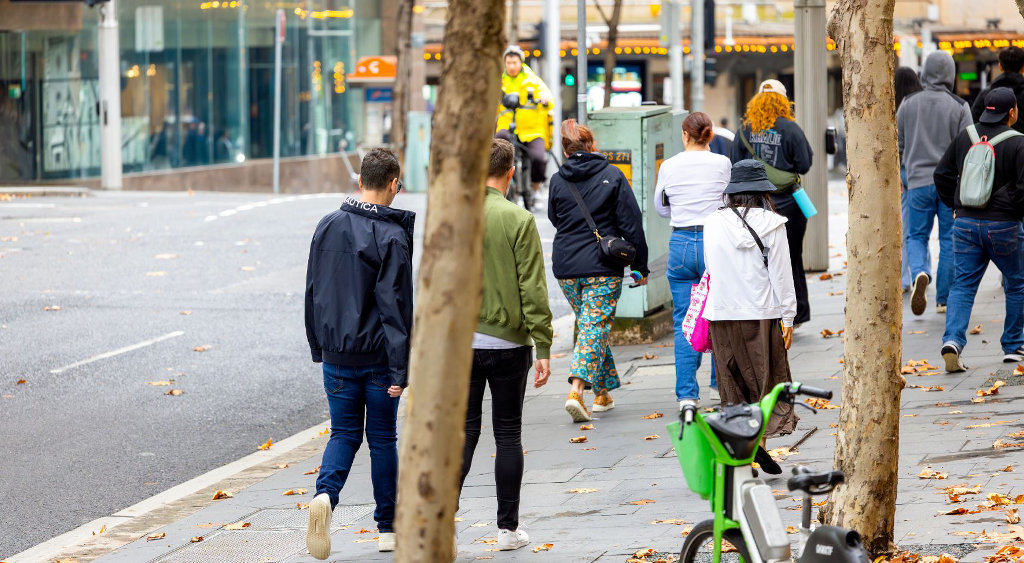
Ironically, the right side is in fact left. Here’s why it matters which side of the footpath you walk on.
Keep left unless overtaking
Unlike motorists who must legally keep left unless overtaking, pedestrians aren’t required to walk on the left side of the footpath.
It is, however, a good idea to keep left on the footpath, according to RAA Senior Manager for Safety and Infrastructure Charles Mountain.
“Similar to driving, keeping left can help pedestrian flow and give other footpath users the chance to pass if needed, particularly along some of the more popular paths like the coastal walk from Seacliff to Glenelg,” Charles says.
Safety aside, there are some lesser-known benefits to sticking left. If you’ve ever encountered an awkward moment weaving back-and-forth with a fellow pedestrian as you both decide who should pass who first, then sticking left might avoid future run-ins.
Which side of the footpath do you walk along?
Footpath formalities
Now that we know which side of the footpath to stick to, there are a few ways to walk safely to avoid collisions with fellow footpath users who may not have got the memo that left is best.
When you’re walking on a footpath or shared path, it’s important not to unnecessarily block the path of fellow footpath. If you’re riding a bike, e-bike, wheeled recreational device or a personal mobility device (PMD), you must give way to pedestrians. This is where split paths can be useful. These are dedicated paths for walking and for bikes or e-scooter users.
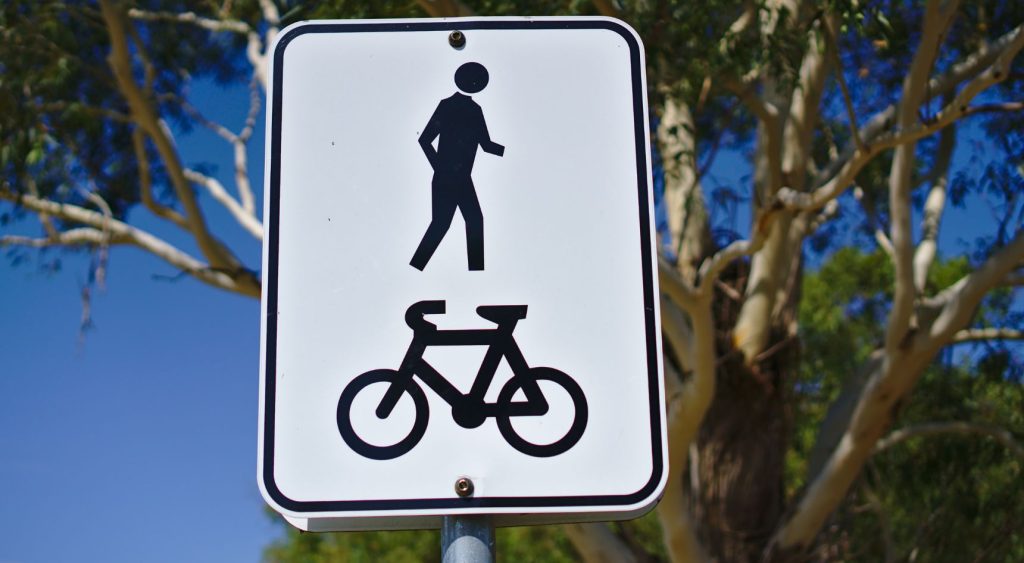
If you’re walking or riding on a separated path, then it’s important to keep to the side of the path that matches your mode of transport. Bike only paths, as the name implies, are for bikes and wheeled devices, including e-scooters.
“Where there are separated paths, pedestrians mustn’t walk in the bike-only section and vice versa,” Charles says.
Pedestrians also mustn’t walk on bicycle only paths. In fact, they can be fined $61 if they fail to keep out of the path of cyclists.
No matter which side you’re on, knowing your surroundings and being aware of those you’re sharing the footpath with is important.
“When walking with friends, be mindful not to block the path of approaching pedestrians by walking three abreast,” Charles says. “Disband to allow other pedestrians or cyclists to pass and then regroup if you must.”
What happens when there’s no footpath?
If there’s no footpath or nature strip, or it’s not practical to use, pedestrians may walk on the side of the road. That said, it’s a lot riskier, so take precautions like walking on the edge of the roadside facing oncoming traffic. “Pedestrians can then see motorists or other road users coming towards them, and they can also see you,” Charles says.
Final word
When in doubt, we drive on the left side of the road in Australia, so it makes sense to walk on the left side of a footpath. Keeping left where practical can help the flow of foot traffic remain smooth and just like a walk in the park.