

Poll: How many cars do you let in?
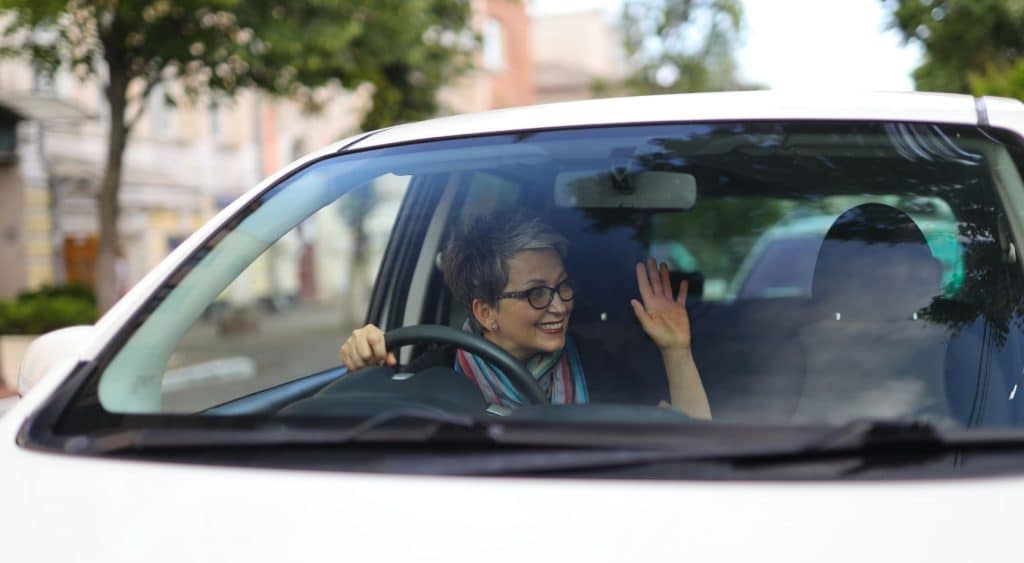
Traffic is banked up on Henley Beach Road and you’re crawling slowly towards the city. Finally, there’s a gap and you give a little wave to the car on the side street to let them know they can enter the flow of traffic.
Before you know it, your generous gap-giving gesture has been taken for granted. Two, three, four cars push their way through. So, how many cars should you let in?
Vote in our poll.
Be mindful of merging motorists
According to RAA Senior Manager for Safety and Infrastructure Charles Mountain, it pays to stop and allow fellow motorists through gaps in traffic.
“Letting a fellow motorist in or out is a simple courtesy,” Charles says.
“If someone lets you in, acknowledge their good gesture. You never know when you’ll be in a similar situation,” he says.
However, while waving motorists through might sound friendly, allowing too many to pass can cause more confusion.
Why? Every driver is different; some might allow one or more vehicles through while others none.
“This type of unpredictability can cause a lot of second-guessing and confusion behind the wheel,” Charles says.
“If you’re unsure if another driver is going to let you in, wait a few moments, make eye contact with them and check for a wave or a similar gesture.”
The one-for-one rule
In situations like this, the one-for-one rule can be applied to help keep traffic moving smoothly and safely in situations when road space is restricted due to roadworks or a roadside breakdown. So, what is one-for-one and how does this method of merging work?
Think of it like a zip merge. When you allow a vehicle to enter the flow of traffic, the vehicle behind yours should follow suit and let the next vehicle enter and so forth.
“That’s provided there’s a safe gap and traffic hasn’t resumed to normal,” Charles adds.
While the one-for-one rule isn’t specified in the Australian Road Rules (motorists aren’t legally obligated to follow it), Charles advises it can be a safer and more predictable way to keep traffic moving when conditions are busy or roadworks restrict traffic lanes while showing a little courtesy to your fellow motorist.
Final word
Along with being alert to motorists merging in your path, watch for ‘Keep Clear’ road markings.
These painted road markings are used to indicate areas where vehicles must not stop or park, particularly at intersections or junctions. These markings are designed to maintain smooth traffic flow and prevent vehicles from blocking access to side roads.
“It’s important to note that these markings aren’t give way signs and do not obligate drivers to allow other vehicles to merge into the traffic stream,” Charles says.
“Instead, ‘Keep Clear’ road markings are intended to allow vehicles to turn into or out of a road in situations where it would be difficult because of queued traffic.
“Once traffic on the continuing road starts to move then drivers on the side road must wait for a suitable gap in the traffic unless they get waved into the road.”