
The EVs acing Australia’s safety tests
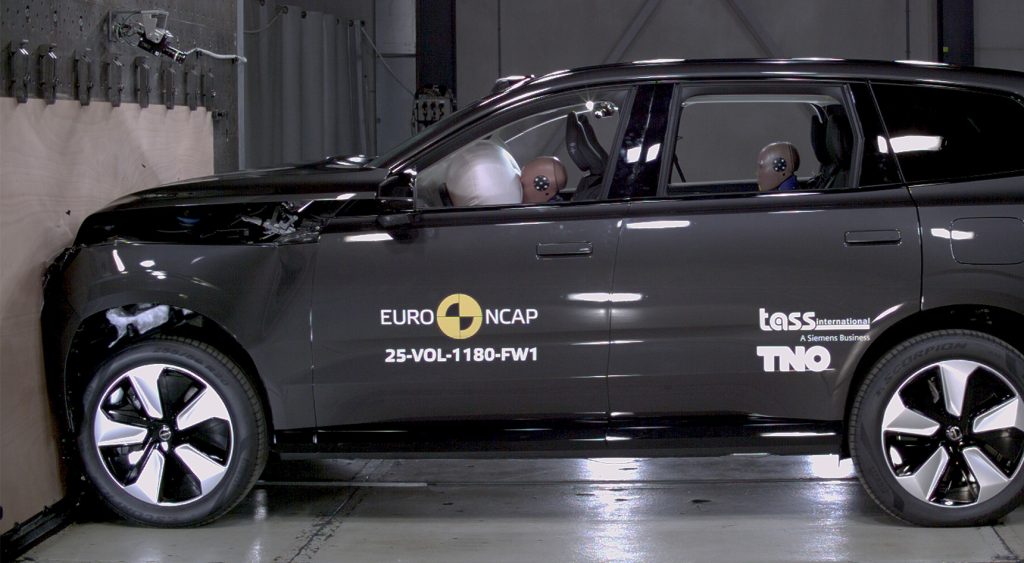
Safer cars save lives, which is why safety should be at the top of your list when shopping for a new vehicle.
Thankfully, modern cars are safer than ever and if you’re considering an electric vehicle (EV), you’re in luck. EVs dominate Australia’s safety rankings at a range of price points, so read on to discover some of the safest on the market.
How do I find a car’s safety rating?
The Australasian New Car Assessment Program (ANCAP) is Australia and New Zealand’s independent vehicle safety authority, and conducts regular crash tests on popular new vehicles, assigning a rating of zero to five stars.
RAA’s Principal Advisor of Energy and Future Mobility Peter Nattrass says the safer the car is, the more stars ANCAP awards it.
“Visit the ANCAP website and search for the make and model,” Peter says. “If the car’s been crash tested, you’ll find its star rating and a full breakdown of its safety performance.”
What else does ANCAP test?
ANCAP also evaluates vehicles across what it calls stages of safety, assessing performance before, during and after a crash.
- Safe driving: technologies and features that support a safer driving experience for the driver and occupants.
- Crash avoidance: technologies that prevent or minimise critical incidents through warnings or autonomous intervention.
- Crash protection: vehicle structure, seatbelts, airbags and head restraints designed to minimise injuries to occupants, pedestrians and cyclists.
- Post crash: emergency-response systems that support rescue services during the critical period following a collision.
To compile our sample of safe, affordable EVs, we’ve selected models with a 5-star ANCAP safety rating and strong scores across all four key safety pillars: adult occupant protection, child occupant protection, vulnerable road user protection and safety assist (advanced driver assistance systems). Together they measure a vehicle’s ability to protect occupants of all ages, safeguard vulnerable road users like pedestrians and cyclists, and use technology to avoid crashes altogether.
Here are some EVs that make the cut.
Small SUVs and hatchbacks
| Adult occupant protection | Child occupant protection | Vulnerable road user protection | Safety assist (ADAS) | |
|---|---|---|---|---|
| BYD DOLPHIN | 89% | 86% | 85% | 77% |
| MG4 EV Urban | 87% | 86% | 85% | 82% |
| Leapmotor B10 | 93% | 95% | 84% | 86% |
| Kia EV3 | 83% | 86% | 78% | 81% |
| Zeekr X | 91% | 87% | 84% | 84% |
| Mini Cooper E | 89% | 83% | 77% | 83% |
Medium SUVs
| Adult occupant protection | Child occupant protection | Vulnerable road user protection | Safety assist (ADAS) | |
|---|---|---|---|---|
| Tesla Model Y | 91% | 95% | 86% | 92% |
| Geely EX5 | 86% | 87% | 83% | 85% |
| BYD SEALION 7 | 87% | 93% | 76% | 78% |
| Zeekr 7X | 91% | 87% | 78% | 78% |
| Toyota bZ4X | 88% | 86% | 80% | 82% |
| Hyundai Elexio | 88% | 86% | 77% | 85% |
Medium sedans
| Adult occupant protection | Child occupant protection | Vulnerable road user protection | Safety assist (ADAS) | |
|---|---|---|---|---|
| MG IM5 | 89% | 91% | 85% | 79% |
| Tesla Model 3 | 90% | 95% | 89% | 88% |
| Hyundai IONIQ 6 | 97% | 88% | 66% | 90% |
| BYD SEAL | 89% | 87% | 82% | 75% |
| Polestar 2 | 92% | 87% | 80% | 82% |
| Kia EV4 | 84% | 86% | 77% | 81% |
Large SUVs and utes
| Adult occupant protection | Child occupant protection | Vulnerable road user protection | Safety assist (ADAS) | |
|---|---|---|---|---|
| Volvo EX90 | 92% | 94% | 82% | 84% |
| Polestar 3 | 90% | 94% | 79% | 79% |
| Toyota Hilux | 84% | 89% | 82% | 82% |
| Hyundai IONIQ 9 | 84% | 86% | 77% | 85% |
| Kia EV9 | 84% | 87% | 76% | 85% |
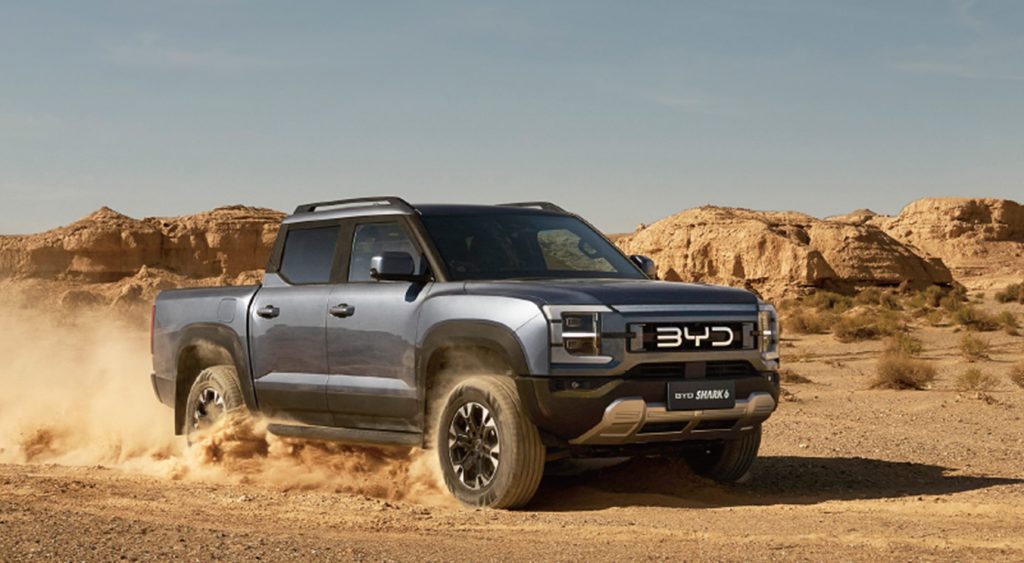
| BYD SHARK 6 | 85% | 87% | 74% | 86% |
So, what have we learnt?
Buying a safer car is one of the best decisions you can make, and if it’s an EV you’re after, you’ll find plenty of affordable makes, models and body types.
At a minimum, look for a 5-star ANCAP rating but, as Peter says, dig deeper and compare performance across all four safety pillars to find the safest option for your needs.
“Doing a bit of research and checking the ANCAP website only takes a few minutes, and it could make all the difference to yourself, your family and other road users if you’re involved in a crash,” Peter says.