
What are those dots on your windscreen?
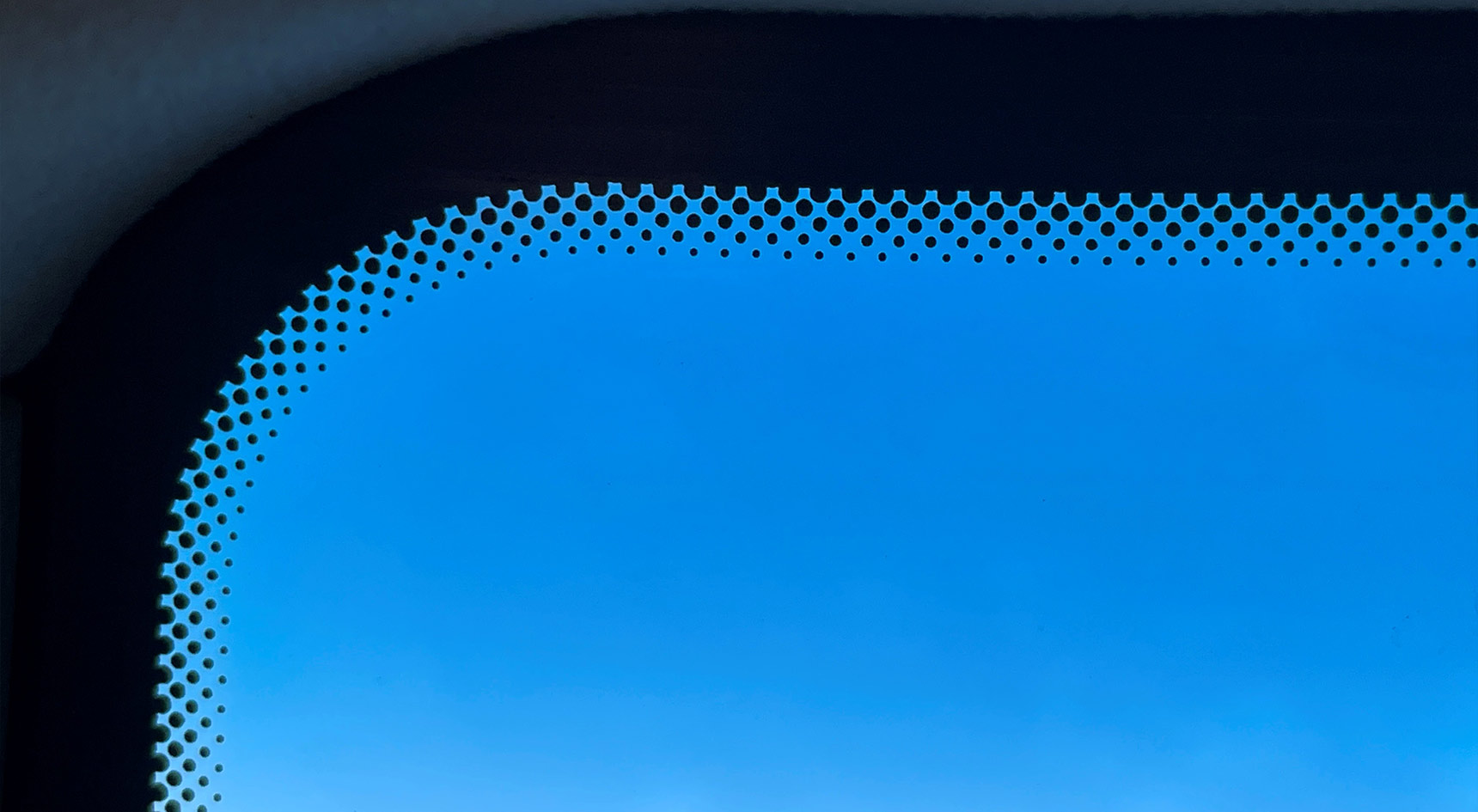
Maybe they’ve puzzled you, or maybe you’ve never even noticed them before, but that gradient pattern of black dots on your windscreen isn’t a style choice. It’s a safety feature.
Connecting the dots
Have a look at your car. On almost every modern car, you’ll see a thick black band around the edge of the glass, followed by rows of dots that shrink with each row until they fade out into clear glass.
The band and dots are called ‘frits’ – a weird name for something up until now you didn’t know had, or even needed a name. For those interested in etymology, the word entered English in the mid-17th century through glassmaking and ceramics, from the Italian word fritta, meaning ‘fried’ or baked – which is a clue.
Frits are made from finely ground glass and ceramic particles which are melted and permanently fused into the glass during the baking process. You’ll find them around fixed windows such as the front and rear windscreens and the small triangular side windows.
This unassuming pattern looks neat, but it also serves five important purposes.
- Better grip for the glue: The frit band gives the glass a rough surface, helping the specialised polyurethane adhesive bond firmly to the glass and the car’s frame which would otherwise break it down over time.
- Less heat stress: The black band absorbs more heat than clear glass. The fading dots spread that heat gradually through the glass, reducing the temperature difference that can cause it to crack.
- UV protection: The band shields the adhesive from the sun’s UV rays, which could otherwise degrade over time.
- Less distortion: Uneven heating can also make glass distort, so straight lines look curved or rippled – just like the mirage shimmer on a road on a hot day. The shrinking dots help the glass heat evenly, keeping your view clear.
- Easier on the eyes: The dots soften the transition from solid black to clear glass, so it isn’t so jarring when you’re driving.
Frits have one purely aesthetic purpose too, and that’s hiding the messy glue bead where the glass meets the car’s frame.
Does one size ‘frits’ all?
No, the size and spacing of the dots vary between manufacturers and even between models, and some carmakers like to have fun with them
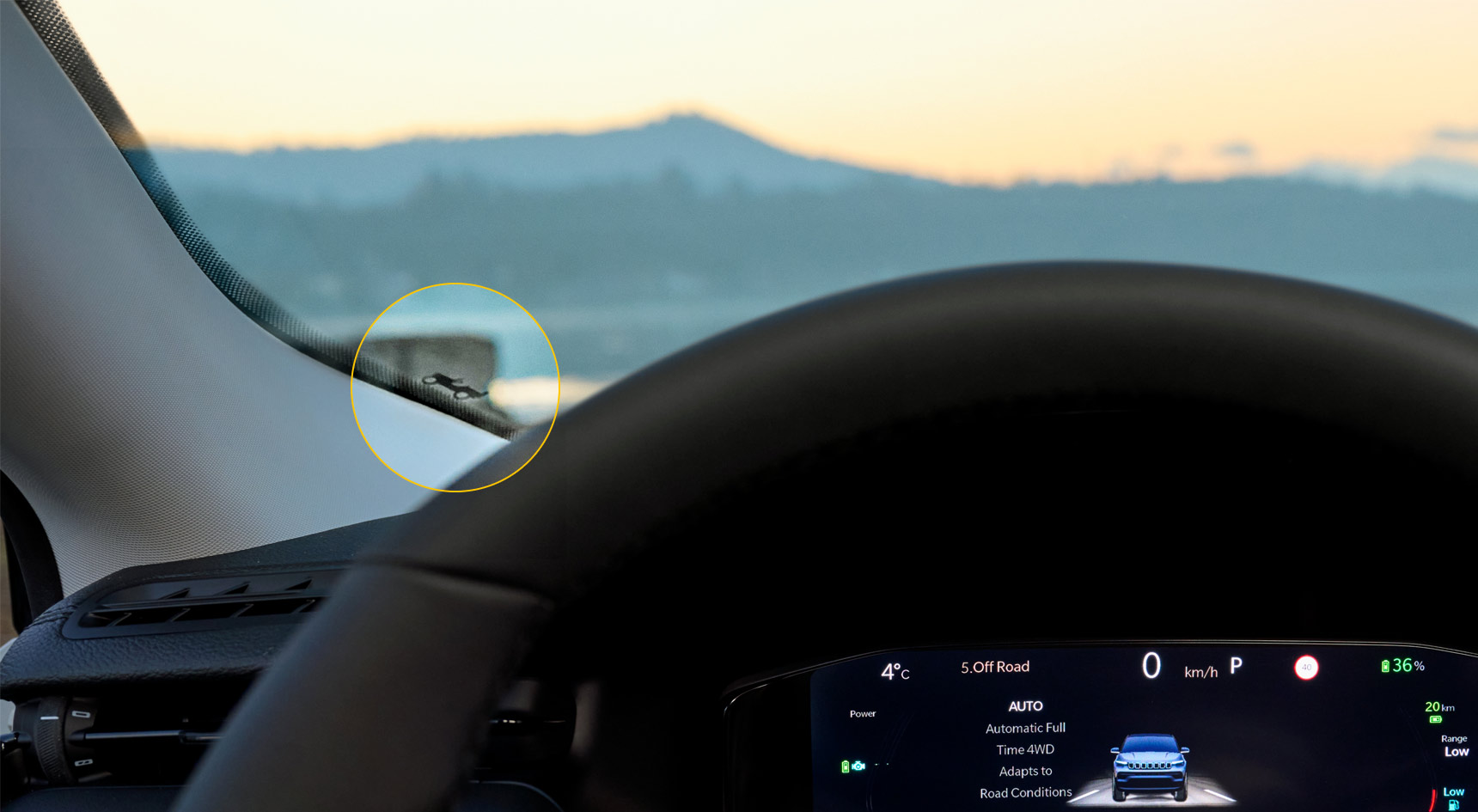
Jaguar E-Pace owners should have a closer look at their front window, where a mother jaguar and her cub are silhouetted in the frit. Jeep, too, is known for hiding ‘Easter eggs’ throughout their vehicles, and their fun frits include miniature Jeeps, T-rexes and Bigfoot. Can you find the tiny Willys Jeep below? Press the arrow for help. (American model pictured. Image: Newspress)
Frits aren’t just for cars, either. Look at your oven door and you may spot a similar ceramic border.
Now you know more than you ever needed to know about frits, you’ll be spotting them everywhere.
Have a car question that’s driving you dotty?
Our Car Advice team can help fill in the blanks.