

Would you dob on a driver?
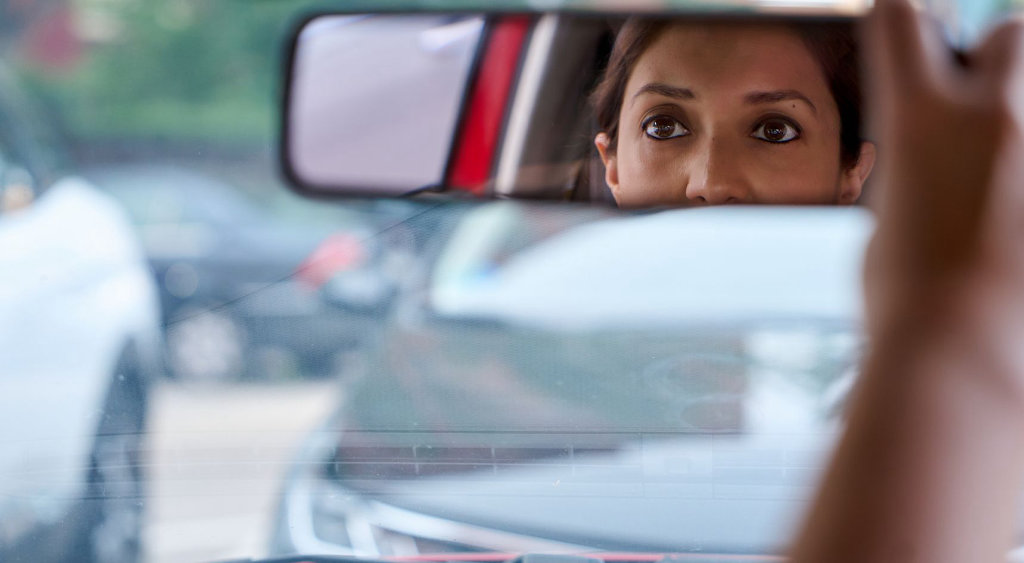
Keeping our roads safe is everyone’s responsibility. So, when you see someone behind the wheel putting lives at risk, what would you do – dob them in or ignore their behaviour?
The scenario
You’re driving along Brighton Road minding your own business until a motorist, who likens their red hatchback to a Ferrari, speeds up behind you only to abruptly switch lanes before taking off up Ocean Boulevard.
What you shouldn’t do
“If only there was a cop sitting at the top of the hill waiting for them,” you think to yourself.
Then again, you always wanted to become a police officer growing up. That’s when you question if you could match their speed and catch up to them with your notebook to record their plate number.
Before reading any further, take note of this: the above is exactly what you shouldn’t do.
What would you do?
If you’ve ever experienced someone driving dangerously – whether speeding like the above scenario or perhaps looking down not-so-discreetly at their mobile phone – your instinct (and the correct one) should be to keep your distance where possible.
According to RAA Senior Manager of Safety and Infrastructure Charles Mountain, one of the biggest mistakes a motorist can make is moving into the path of someone driving recklessly.
“When others drive without care, your best defence is distance, patience, and a clear mind,” Charles says. “In this instance, it’s best to back off.”
What you should do
Road users can report dangerous driving directly to South Australia Police (SAPOL) through their non-urgent police assistance line (131 444.)
From tailgating and running red lights to drink driving and texting, the sooner you report dangerous driving to SAPOL the better.
“Ensure you provide as much information in your report as possible,” Charles advises.
“If you have dashcam footage of the incident, include this as well as it can greatly assist the investigation.”.

Six steps to reporting dangerous driving
1. Observe the driving: record the time, day, date, and location of the incident.
2. Collect details: if possible, write down the registration number of the offending vehicle and a description of the driver.
3. Contact SAPOL: call 131 444 while the incident is occurring. Of course, if you’re driving, make sure you use hands-free or safely pull over if using your mobile phone. You can also use the Traffic Watch online form to report non-urgent, traffic-related incidents that’ve already occurred and don’t require police attendance.
4. Provide witness details: include contact details of any witnesses.
5. Keep records: maintain notes about the incident for your records.
6. The investigation: SAPOL will follow up your complaint and may issue a cautionary phone call or an official warning. In serious cases, they may issue a fine or court summons. Most complaints are handled with a cautionary letter sent to the vehicle’s registered owner, highlighting the incident and the police’s attention to the behaviour.
“If [the person reporting the incident] wants the matter to be formally investigated, they may attend their local police station to provide information and any supporting evidence (i.e. dashcam footage), so the incident can be assessed for further action,” a SAPOL spokesperson tells sa move.
“The information captured through the system helps make South Australian roads safer by assisting police in determining the future allocation of police resources and identifying areas of concern.”
What you should do if you’re a passenger in the car
Witnessing erratic driving can be scary, even more so if you’re sitting in the passenger seat of the offending vehicle.
Charles says a passenger’s silence can be as dangerous as a driver’s recklessness.
“Ask the driver to slow down, stop, or let you out – your safety is worth it,” he says.