

Updates to Disability Parking Permits
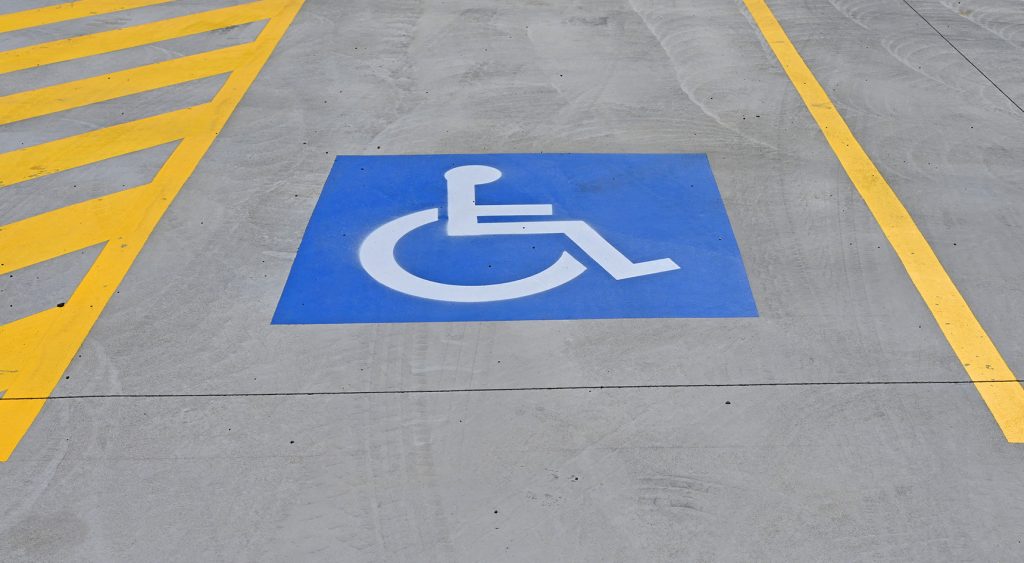
For the first time in 25 years, the Disability Parking Permit (DPP) scheme has changed.
In November 2025, the criteria for the DPP scheme were broadened to help more South Aussies access a permit.
What’s the DPP scheme?
The DPP scheme provides eligible people with access to designated parking spaces, marked with the international access symbol.
This access also extends to other Australian states, subject to local rules.
DPPs are issued to people who have limited mobility and/or other impairments as determined by an eligible health practitioner.
Permits are issued on a permanent (five years) or temporary (up to one year) basis. They must be displayed in vehicles used to transport people with disabilities so they’re clearly visible from the outside.
What’s changed?
The Department for Infrastructure and Transport (DIT) website has outlined the following expansions to DPP eligibility criteria.
- Legally blind applicants are included, and they needn’t meet further mobility criteria. A legally blind person being transported in a vehicle is eligible and doesn’t need a driver’s licence.
- Applicants with a significant intellectual, cognitive, behavioural or neurological impairment are included and they must be unable to mobilise without the continuous support of another person.
- The requirement that the impairment must significantly inhibit an applicant’s ability to use public transport has been removed.
- The term ‘disabled person’ has changed to ‘person with disability’.
- Existing physical mobility impairment criteria are unchanged.
Accessible parking spaces
The changes affect a person’s ability to qualify for a DPP, but not the enforcement of accessible parking spaces or their availability.
According to DIT, the Australian Government sets the minimum number of accessible parking spaces for people with disabilities.
This is outlined in the national Disability (Access to Premises – Buildings) Standards 2010. Standards are applied through the National Construction Code.
Properties can choose to provide more accessible parking spaces.
How are other road users affected?
The inclusion of broader criteria, including non-physical disabilities, underscores the fact that road users shouldn’t judge a DPP holder’s eligibility purely by sight.
RAA’s Senior Manager of Safety and Infrastructure Charles Mountain welcomes these changes.
“Not all DPP holders have disabilities that are obvious to other people,” Charles says.
“Everybody’s circumstances are different, and it’s important for road users to be understanding and respectful of DPP holders’ needs.”
Stopping in a designated parking area without a valid permit could result in a $460 fine plus a $105 Victims of Crime levy.
DPP application process
You can apply for a DPP here or call Service SA on 13 10 84.
As of December 2025, the fees were $13 for a temporary permit and $24 for a permanent permit.
The changes don’t affect current DPP holders.