

Power’s off: what about your food?
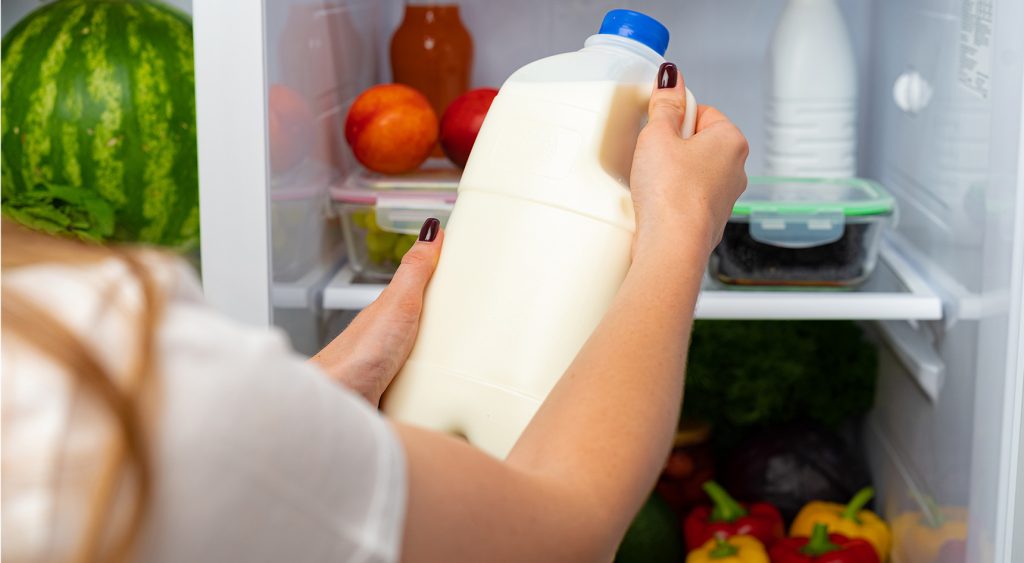
Oh, no, the power’s out. No heating or cooling, no Wi-Fi (the horror) and only candles to light the darkness. What about all the food in the fridge and freezer?
Along with the inconvenience, blackouts create health risks because fridge and freezer temperatures slowly rise. Bacteria and other nasties can start to grow and the risk of food poisoning increases. To improve your chances of staying healthy, follow these important steps.
Check the time
When the power goes out, note the time and record how long the outage lasts. The Australian Institute of Food Safety says your food will remain safe in the fridge during an outage for about two hours. If the outage lasts four hours or longer, you’ll need to throw out certain foods, but more on that later.
Generally, the following rules apply.
- If the power was out for less than two hours, you can use or refrigerate the food immediately.
- Between two hours and four hours, use the food immediately but don’t refrigerate.
- If the power was out for more than four hours, you must throw the food out.
If you’re unsure how long the blackout lasted, throwing out the food is the safest option.
During the outage
These tips will help preserve the food in your fridge and freezer while the power’s out.
- Avoid opening your fridge and freezer doors to help the appliance stay colder.
- If there’s space in the freezer, stock it with food from the fridge after two hours.
- If your freezer’s full, use a sealed esky filled with evenly placed ice bricks or frozen gel packs.
- If practical, take your food to a relative or friend and store it in their fridge or freezer.
- If you’re using an electric stove when the power goes out, throw out any partially cooked food if cooking can’t be completed within two hours; if the food was already properly cooked, either eat it within two hours or throw it out.

After the blackout
Thank goodness, the power’s back on. Now that you’re back in the 21st century, it’s time to carefully check the food items in your fridge and freezer.
Fridge
- Throw out any food – particularly raw meat – that shows any signs of spoilage, such as discolouration, a slimy texture or putrid odours, regardless of the length of the blackout.
- Discard potentially hazardous food that’s been in the fridge for four hours or longer. This includes raw and cooked meats, dairy, poultry, seafood, creamy dressings, dips, soft cheeses, leftovers and processed meats, such as ham.
- Refrigerated items such as hard cheeses, salted butter, ketchup, mustard, fruits and vegetables are usually safe to use – regardless of the blackout time – but always err on the side of caution
- Never taste food to check whether it’s safe to eat.
Freezer
Frozen food in a full, properly sealed freezer at minus 15 degrees Celsius or below can keep for up to 48 hours. That time reduces to 24 hours if the freezer is only half full.
- If the items in your freezer are still frozen hard and have ice crystals on the inside of the packaging, you can refreeze them.
- If any frozen food has signs of freezer burn from being thawed and then refrozen, discard the item.
Planned outage
If an extended outage is scheduled for your area, plan ahead.
- If possible, store your food with friends or relatives before the outage begins.
- Avoid buying food – or consume any that you already have – that needs freezing or refrigeration until your power is back on.
- Set your fridge and freezer to their coldest settings but remove fruit and vegetables from the fridge first to avoid spoilage.
- Have ice bricks or large blocks of ice in the freezer ready to use.
- Put appropriate items from your fridge into the freezer for later use.
Remember, if in doubt throw it out. It might seem wasteful but it’s better than making yourself or others sick.
Note: This article is a guide only. You’ll find plenty more information at SA Health or the Food Safety Information Council.