
Historic Reynella
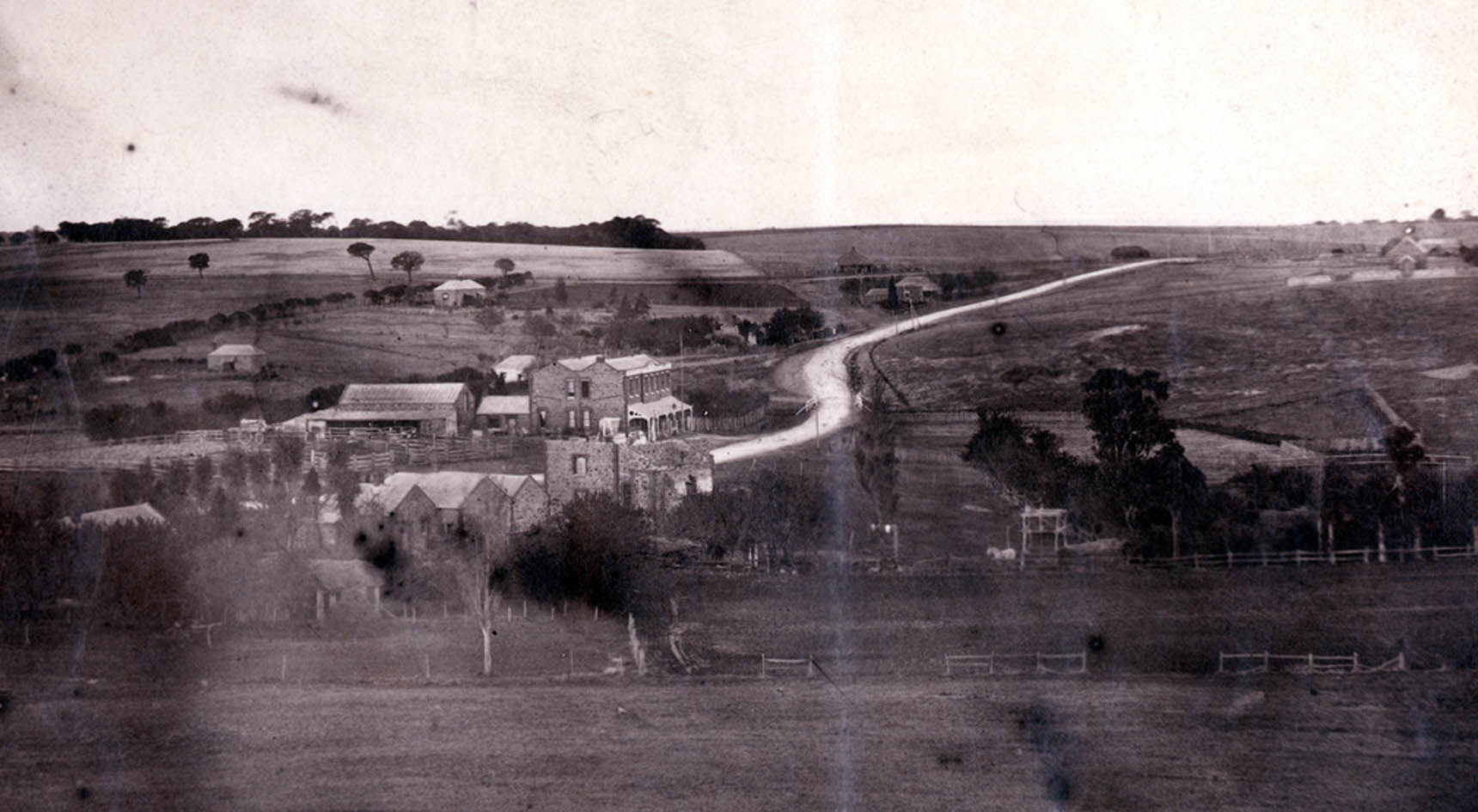
When you think of South Australia’s early wine regions, the Barossa and McLaren Vale are probably the first to come to mind.
Arguably though, the state’s first commercial winery was established in 1838 – just two years after proclamation – about 20km south of Adelaide in what was to become the township of Reynella.
There’s some conjecture around this claim, with vines planted in North Adelaide and Glenelg in 1837. However, John Reynell built a cellar (dug by hand into the limestone) and traded wine on a large scale, which is why Reynella can claim it was the first place in SA to have a commercial winery.
Prior to European settlement, the local land near the Panalatinga Creek was inhabited by the Peramangk Aboriginal people.
When Reynell arrived, he named his property Reynella Farm and in 1838 set about planting grape vine cuttings from New South Wales and even some he obtained during his voyage to Australia from the Cape of Good Hope in South Africa.
The first Chateau Reynella vintage was produced in 1842 and was one of the state’s most well-known wineries for more than a century.
The early days
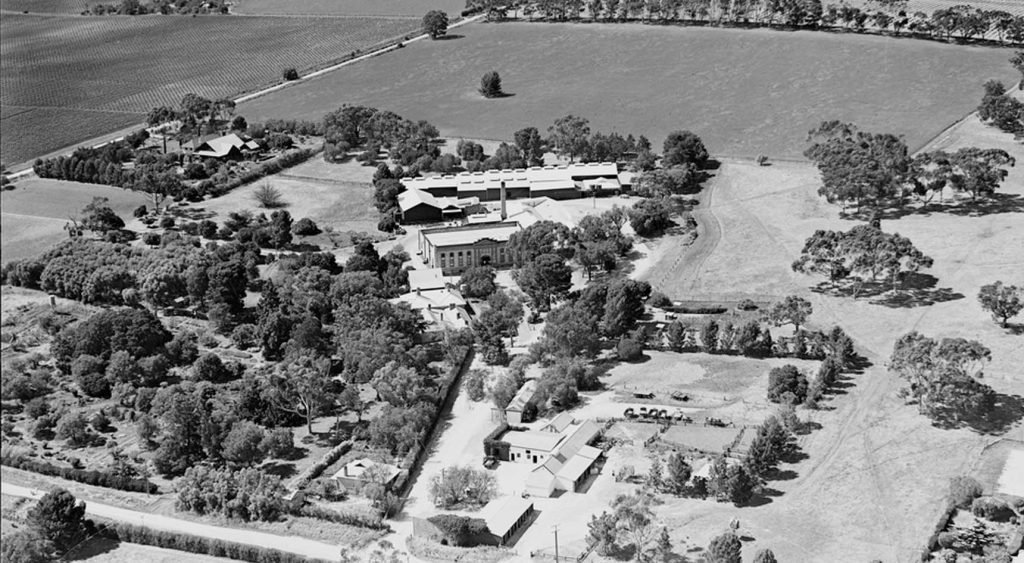
Despite Reynell establishing his property in the 1840s, the town of Reynella wasn’t laid out until 1854.
Reynell subdivided the land, selling almost 100 plots alongside what is now known as the Field River. From here, Reynella was officially founded and by 1867, the settlement started to take shape.
In the coming years, a mill, school, a hotel and a church would all be built in the burgeoning wine district.
The horse changing station
Due to Reynella being on the main road heading south from Adelaide towards the Fleurieu Peninsula, it became a popular spot for weary travellers and their horses to rest their legs.
The building was constructed in the early 1850s by Reynell and was originally used as a farm blacksmith shop. In 1858, a changing station was set up in the same premises and for the next 57 years, a mail coach run would make two stops at Reynella each day and change horses.
A horse coach would run from Adelaide, stopping at St Marys to attach another horse to help make it up the hill to Reynella. At Reynella, the coach would switch horses before continuing its journey to Willunga.
The horse changing station ran until 1915 when the Willunga train took over the Royal Mail contract and offered a passenger service.
In the early 21st century, the building was restored by volunteers and now displays local heritage materials.
The mill with a grisly history

With agriculturalists expanding from grapes to other fruits and wheat, John Cain established the Southern Grist Mill which began operations in September 1854. Tragically, less than three years later, the mill would kill him.
According to the South Australian Register, a young man observed Cain being entangled in the machinery and crushed on 17 August 1857.
Despite Cain’s death, the mill kept operating until about 1970 when it’s reported a fire destroyed the building.
That wasn’t before another violent death occurred in 1869. The Adelaide Observer reported that a boiler exploded, causing an “explosion like very loud clap of thunder”. According to the newspaper, engineer and long-time mill employee Edward Condy (potentially a misspelling of Candy – a prominent name in the area) was killed instantly while standing over the boiler.
The Crown Inn
In 1853, Reynell sold a square acre of land on the northern side of the Panalatinga Creek to Robert Hay.
Since that year, the Crown Inn Hotel has had a continual licence despite several name changes.
In 1855, it was known as the Crown Inn, and only a year later it was renamed the Crown Hotel. In 1886 was titled the Reynella Hotel before reverting to Crown Inn – the current name it has today.
It was an important feature of the town, providing a resting place for travellers journeying south from Adelaide.
Originally a simple two-storey building made from bricks, stone and corrugated iron, the Inn has had several upgrades in the past 170 years.
Reynella now
Despite Reynell’s passing in 1873, wine production in the region continued when his sons Walter and Carew took over the family business.
With the introduction of a train line from Adelaide to Willunga in the early 20th century, and more agricultural production north of Adelaide, Reynella changed and was even labelled a village of the past.
In the 1950s, Adelaide was growing and the two was split into two suburbs – Reynella and Old Reynella.
Today, Reynella is a residential suburb. However, there are hints of the town’s history scattered around the area, from the horse stables on Old South Road to the historic buildings sitting among modern homes on the site where Reynell established the winery and vines in 1838.