
Which cooktop should I buy?

Whether it’s tossing a stir fry in a wok, boiling linguine or heating tomato soup, the cooktop is where it happens.
However you cook, you want a stovetop that suits your needs and budget. Let’s compare three popular choices: gas, electric and induction.
Gas
Cooking with gas has long been popular and you’ll still find gas cooktops in about half of Aussie kitchens. They may come in enamel, glass and stainless-steel finishes, and include cast iron trivets and a range of burner sizes, including wok burners.
A clicking electronic ignition system lights the gas to create the familiar blue flame when you turn the knob. Most run on mains gas but bottled LPG is a more expensive option. For safety, many models have a feature that cuts the gas if the flame goes out. However, according to Professor Donna Green from UNSW, gas cooking creates internal emissions, which can trigger respiratory issues.
Pros:
✅ Affordable
✅ Instant heat and cooking control
✅ Suitable for charring and high-heat cooking
✅ Usable in power blackouts, if burners can be lit with a match
✅ Compatible with all cookware
Cons:
❌ Indoor emissions can trigger respiratory illnesses
❌ Running costs are increasing
❌ Less energy efficient due to ambient heat loss
❌ Fire and burn risk
❌ Can be difficult to clean
❌ Higher emissions than electric alternatives
Electric
Basic electric cooktops with metal coils or solid plates are increasingly rare. They’re slow, inefficient and hard to clean, so we’ll skip those.
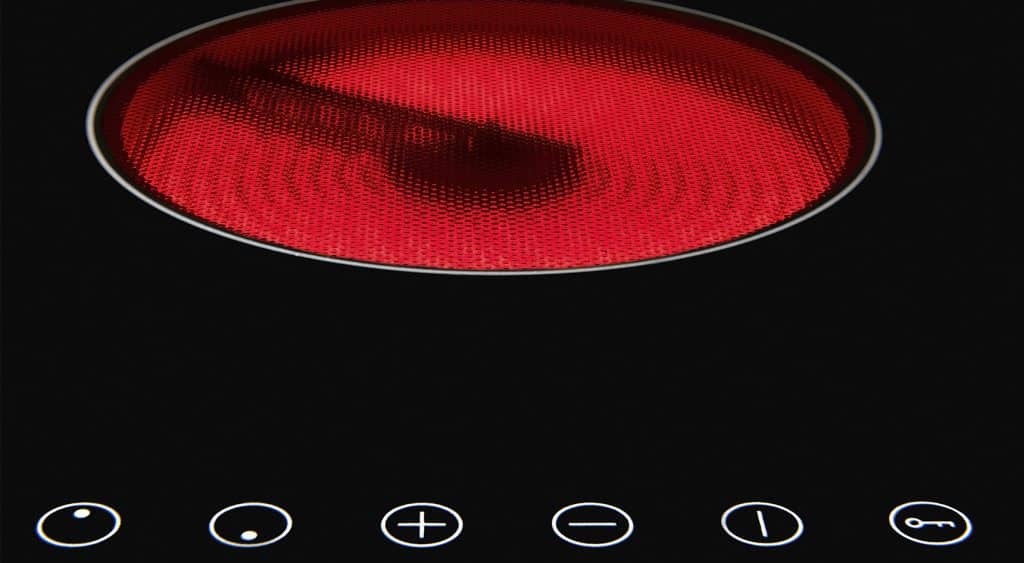
The more common type today has a flat, smooth ceramic glass surface with heating elements beneath it that glow red when hot. The hot surface then transfers heat to the pan through direct contact. Ceramic cooktops usually have digital controls, look sleek and modern and are relatively easy to clean. When the element is turned off the surface stays hot, and although many models have residual heat indicators, burn risk remains.
Pros:
✅ More energy efficient than gas
✅ Affordable, with a wide range of brands and sizes available
✅ No indoor emissions or risk of gas leaks
✅ Easy to clean
✅ Compatible with all cookware types
Cons:
❌ Burn risk
❌ Slower and less efficient than induction, with higher running costs
❌ Fragile surface susceptible to cracking and scratching
❌ Not ideal for wok cooking
Induction
An induction cooktop heats the pan directly, rather than the surface beneath it, speeding up the process significantly. With no flame or glowing element, the cooktop stays relatively cool to the touch. It works by creating a magnetic field that generates heat within the pan itself, which is why cookware needs to be magnetic.
Induction is up to three times more energy efficient than gas and 25-30 per cent more than ceramic cooktops. Purchase costs are typically higher but have been trending downwards and you’ll still find affordable options. An electrician may have to install a special circuit for induction, and you’ll need compatible cookware. If a fridge magnet sticks to your pots and pans, they’re okay for induction cooking.
Pros:
✅ Most energy-efficient cooking method
✅ Fastest to heat and precise control
✅ Lowest burn risk
✅ Easy to clean
✅ No indoor emissions or gas leak risk
Cons:
❌ Higher purchase price
❌ May need an electrical upgrade
❌ Only works with magnetic pans: aluminium, copper and some stainless steel won’t work
❌ Not ideal for wok cooking
❌ Fragile surface susceptible to cracking and scratching
Keep energy trends in mind
Gas consumption is trending downwards across Australia. Victoria, the ACT, and some areas of Sydney are banning new gas connections, although not SA at the time of writing. If these trends continue, fewer customers will share fixed network costs, meaning gas bills will rise.
Meanwhile, the growth of rooftop solar means many households are becoming fully electric. The higher energy efficiency and lower running costs of electric and induction cooktops become even more appealing when paired with home solar energy.

What’s the best cooktop for me?
Before spending big dollars upgrading your cooktop, research to see which type suits your long-term needs. Is cooking your passion? Gas is used by many professional chefs, but if you cook occasionally or see it as a tiresome chore, is it for you? Do you have young kids who may be at risk of burns or respiratory issues? And if you’re thinking of induction, consider the potential cost of cookware upgrades.
Think about everyday issues like cleaning and running costs. And what about your budget? Do you want something basic or are you getting a sleek and modern cooktop for a kitchen renovation? You may also need to factor in electrical upgrades or gas connection costs. Lastly, never install a cooktop yourself. Always arrange a professional to do the job for you.