

New ANCAP rules to boost ute safety
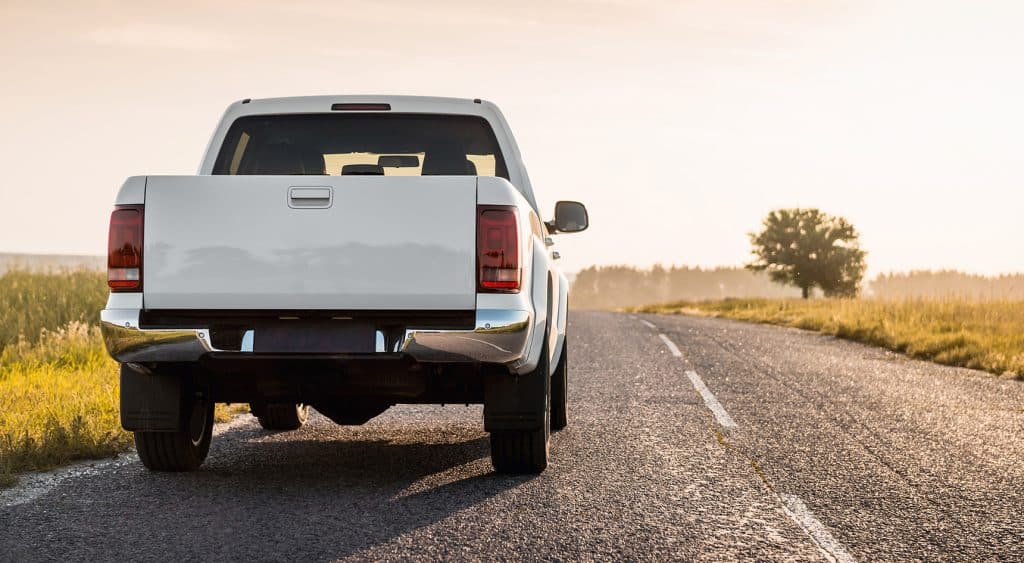
In November 2025, the Australasian New Car Assessment Program (ANCAP) began testing American-style ‘pick-up’ trucks, examining crash-avoidance systems on these large vehicles.
It won’t stop there either, with tighter rules coming into force in 2029, which will put these utes under tougher scrutiny. We examine how.
Why ANCAP is testing big utes
Aussies’ love for utes shows no sign of ending. Currently, the Ford Ranger is Australia’s highest-selling vehicle, with the Toyota HiLux another consistently strong sales performer.
In recent years, pick-up trucks, such as the Chevrolet Silverado, Ford F-150, Dodge RAM, and Toyota Tundra have also become more popular in Australia.
The size of these vehicles – some of which can weigh more than 2500kg – has raised serious safety concerns for occupants of other vehicles, pedestrians, motorcyclists and cyclists.
In response, ANCAP now assesses the collision-avoidance safety systems for large utilities and their ability to detect and avoid crashes involving vulnerable road users. Vehicles are given an overall safety rating for collision avoidance.
- Platinum: 80-100 per cent
- Gold: 60-79 per cent
- Silver: 40-59 per cent
- Bronze: 20-39 per cent
- Not recommended: 0-19 per cent
This testing is critical, because according to ANCAP’s European counterpart, Euro NCAP, large pick-up trucks pose a far greater risk to other road users than smaller vehicles.
What are the new rules?
In January 2029, new vehicle safety regulations will be introduced, which could force manufacturers to redesign some of their larger vehicles. ANCAP will develop the regulations in conjunction with Euro NCAP.
ANCAP will penalise vehicles with poor forward visibility; this means vehicles with high, vision-obscuring front-end designs will need to be revamped to achieve a maximum five-star ANCAP safety rating.
The new protocols will also focus on direct vision, which is what drivers can see through vehicle windows, rather than cameras and digital mirrors. As a result, vehicles with thick A-pillars, high bonnets and large rear-view mirrors that block drivers’ view will be penalised.
This may have flow-on effects for organisations that mandate a five-star ANCAP safety rating for all vehicles in their fleets.
RAA’s Principal Advisor of Energy and Future Mobility, Peter Nattrass, welcomes the proposed new regulations.
“RAA supports measures to improve safety for vulnerable road users, who are overrepresented in deaths and serious injuries on South Australian roads,” Peter says.
“This year, we’ve already seen three pedestrian fatalities involving large vehicles, and we welcome these regulations aimed at improving driver visibility and enhancing collision avoidance systems.”