

How to open your car door (without dings)
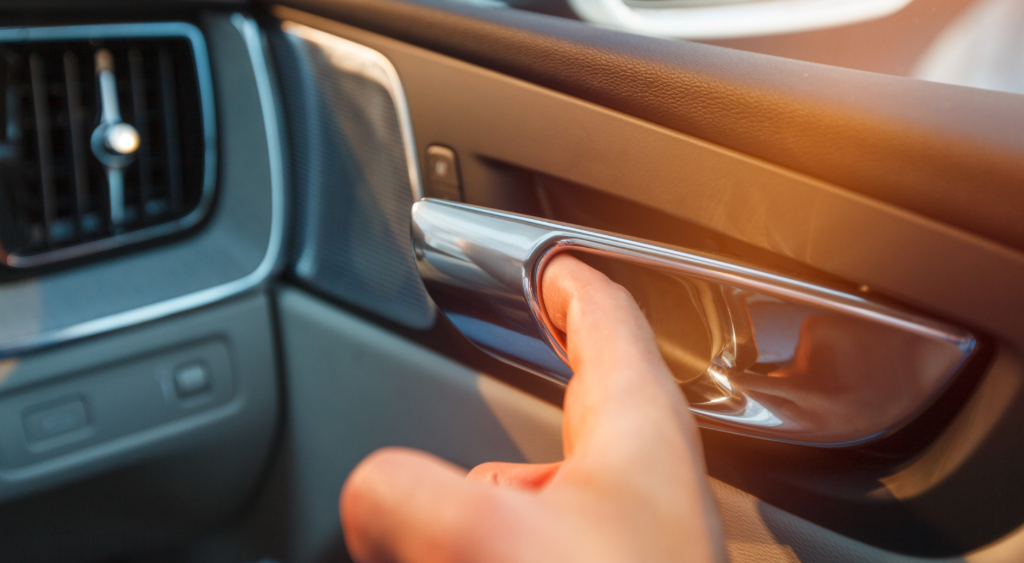
They say when one door closes, another opens – unfortunately sometimes leaving a dent on your shiny new car.
As vehicles get bigger, unfortunate dings to your ride can happen all too easily. According to RAA Senior Manager of Safety and Infrastructure Charles Mountain, opening your car door safely isn’t an open and shut case; it starts with understanding the mechanics of car doors.
“Most car doors have one or two positions or detents to enable them to be opened in a controlled manner,” Charles explains.
“This allows the driver or passengers to open the door in a restricted environment without inadvertently contacting the adjacent vehicle or wall or pillar.”
Generally, the first stop position allows the door to be opened with just enough space for someone to enter or exit the vehicle without risking contact with the vehicle next to you or a wall.
Do the Dutch Reach
Kids eager to stretch their legs during this summer’s road trip? A stopover at the servo might sound like a good idea until you’re parked and your child flings open their door.
Kiddos arguing over the iPad in the backseat now sounds like music to your ears compared to the screech of metal-on-metal.
Charles says children should be taught how to safely open car doors using the Dutch Reach method. The safety technique was designed in the 70s in the Netherlands (hence the name) to help stop cyclists and pedestrians being hit by car doors as they pass parked cars.
“This technique involves opening the door with your right hand when exiting to the left, or the left hand when exiting to the right,” Charles says.
“This action forces you to turn your body and, in so doing, makes it easier to scan the area adjacent the vehicle.”

Another way to prevent your child opening the rear doors is to activate child lock. This will help to keep children secure inside the vehicle, even if they try to fiddle with the door handle.
“This allows the driver to open the rear doors when it is safe to do so rather than rely on those in the back,” Charles says.
“This is an important safety feature as it also prevents children from inadvertently opening the doors while the vehicle is moving.”
Know your surroundings
Always check the distance between your vehicle and the adjacent vehicle, wall, fence or pillar before attempting to open a door. Don’t just rely on side mirrors to judge the distance; turn your head and check using your eyes before opening the door.
“Modern vehicles have mirrors designed to provide a wide field of vision, but they make objects appear much further away than they actually are,” Charles says.
Besides assessing your environment, remain alert on windy days as a gust of wind can easily catch the door and swing it open.
Park within the lines
One of the biggest mistakes motorists make when parking is getting too close to the parking bay lines or ending up on top of them.
“Park your vehicle in the centre of the parking bay, parallel with the parking bay lines to help create common space between your vehicle and the one adjacent,” Charles says.
Take note
Damage to parked cars is one of the most common types of crash. In fact, they’re the most common type of insurance claim.
In the unfortunate event you do open your vehicle’s door with too much vigour and damage the vehicle next to you, you should ideally wait for the driver to return. Explain what has happened and exchange details including, names, contact phone numbers, drivers’ licence and insurance company details.
“Make sure you also record the time, date, location together with the make, model and registration number of the vehicle,” Charles says.
“Document the damage to both vehicles from various angles by taking photos and videos before letting your insurance company know about the incident as soon as possible.”
If the driver doesn’t return before you have to go, leave a note with your name and contact number under the windscreen wiper.