

How do windscreen rain sensors work?
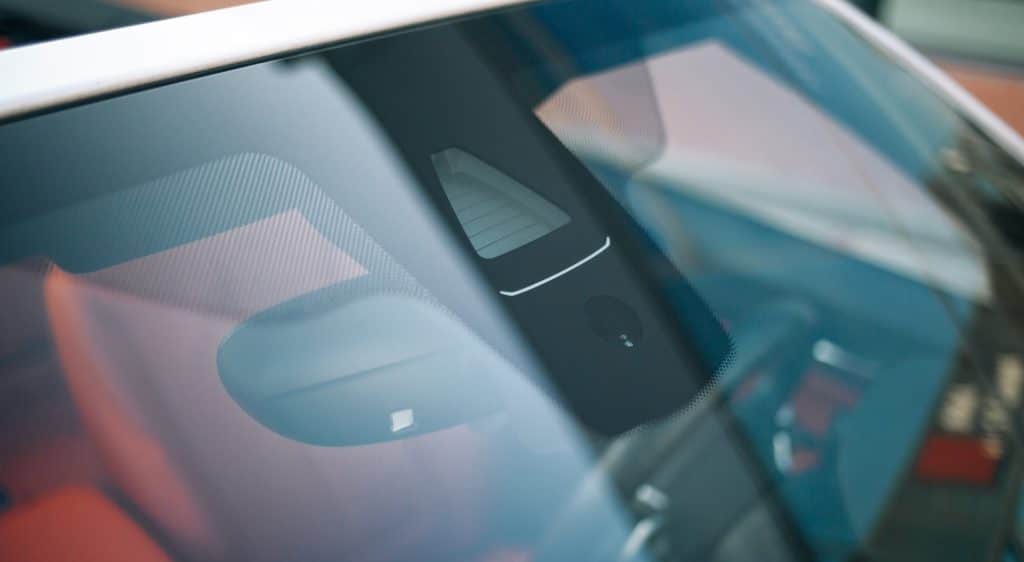
Several years ago, drivers were faced with the exhausting task of turning on the windscreen wipers when it rained.
That’s all changed with many cars now fitted with sensors that instruct the wipers to turn on automatically when rain falls on the windscreen.
How does it work?
The rain sensor module attached to the inside of the windscreen contains LED infrared light transmitters.
The infrared light is directed at the windscreen at an angle sharp enough that the glass becomes a mirror, reflecting all the light back to photodiode receivers in the sensor – none of the infrared light passes through the windscreen glass.
However, when drops of water fall on the windscreen, this process is disrupted and some of the infrared light escapes through the water droplets, meaning less is received by the photodiodes.

When the photodiodes detect the reduction of light they’re receiving, they send a message via electronic gizmos to instruct the wiper motor to swing into action.
The more water splashed on the windscreen, the greater the loss of light signal received by the photodiodes, and the busier the wipers become.
The sensor sits in the area of the windscreen swept by the wipers, so it knows when the water has been cleared and the wipers can be switched off.
To ensure there’s no air between the sensor module and the windscreen that could affect the infrared light transmission, the sensor sits on a gel pad.
Infrared light is used rather than visible light because infrared isn’t affected by other light sources, such as the sun and oncoming vehicle headlights. It’s also invisible to the human eye, so it won’t distract the driver.
Most systems have an override so the wipers can be operated manually if needed.
The first patent for this clever device was filed in1978 by Australian inventor Raymond J Noack, but the system wasn’t fully adopted by carmakers until the mid-1990s.