

What to do after a crash
Crunch, bang, thud… you could probably think of a dozen words to describe the sound of a car crash.
It’s harder to describe the feeling of being in a crash, but it can rattle even the most experienced driver. If you’re ever in a crash, there are important dos and don’ts to keep in mind.
At the crash scene
- Stop your vehicle: there are heavy penalties for motorists leaving the scene of a crash. Turn off your engine and put your hazard lights on.
- Help anyone who’s injured: first make sure the scene is safe, then help anyone injured as best you can. Don’t move seriously injured people until trained help arrives, unless they’re in immediate danger from traffic, fire or explosion.
- Prevent further accidents: if it’s safe, ask bystanders to warn approaching traffic and clear the road of people and vehicles where you can.
- Get help: call 000 for an ambulance, police or fire if necessary. If there’s no phone reception, get help yourself, but only after doing all you can for injured people.
- Arrange a tow: if your car is undriveable in the metro area, the Accident Towing Roster Scheme handles post-crash towing. Call them on 8231 5555 or 8116 9209. In rural areas, contact a local tow truck provider, or your insurer for advice.
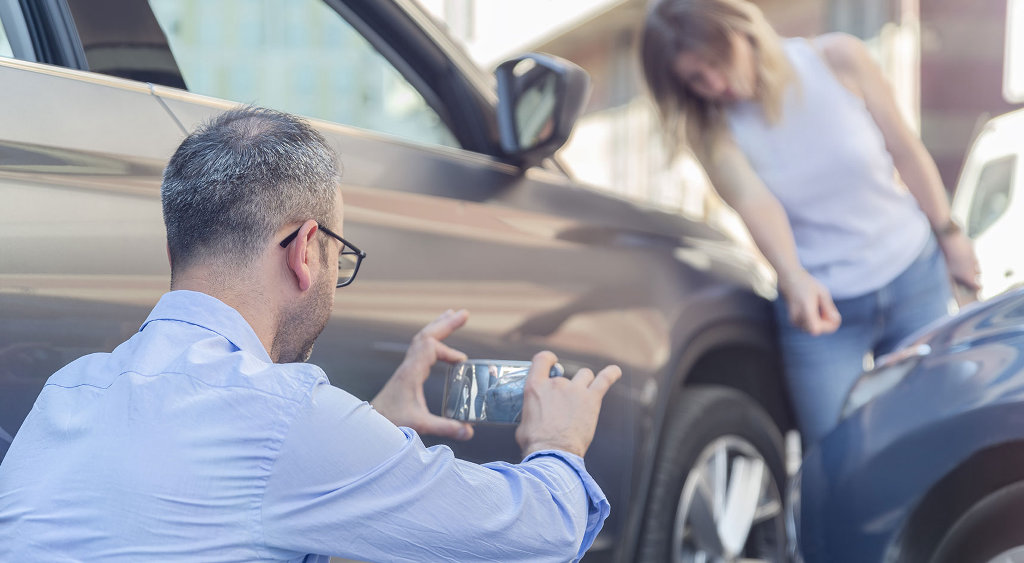
- Gather details: note the date, time, location, weather, traffic conditions and estimated vehicle speeds. Record the registration, make, model and colour of other vehicles, plus the driver’s (and/or owner’s) name, address, phone number, licence and insurance details. Photograph all vehicle damage.
- Provide details: if asked, you must provide your name, address and vehicle registration to other drivers, police and anyone else who needs it. You’re legally required to provide these details after a crash when asked.
A road user who is found by police to have breached the road rules may receive a traffic infringement notice or a summons to appear in court.
| Important contacts | |
|---|---|
| Emergency – police, fire and ambulance | 000 |
| Police (non-emergency) | 13 14 44 |
| Accident towing truck | 8231 5555 or 8116 9209 |
| CTP Insurance Regulator | 1300 303 558 |
| RAA Road Service | 13 11 11 or the RAA app |
| RAA Road Rules Information Service | 8202 4570 |
| Legal Services Commission of SA | 1300 366 424 |
| Traffic Management Centre | 1800 018 313 |
After the crash
If anyone is killed or injured, you must report the crash to police within 90 minutes. Otherwise, report it to police as soon as possible, but no later than 24 hours after the crash. The police will need the following details about you and the other people involved:
- Full names and addresses
- Vehicle registration numbers and registered owner’s name and address
- The date, time and location of the crash
- Your driver’s licence, if required.
You may also provide police with a statement about how the crash occurred.
Reporting the crash to police is not necessary when no person or animal has been killed or injured, and the estimated combined property damage is $3000 or less, and both parties exchanged essential details at the crash scene, and no vehicle was towed away.
Contact your insurer
Get in touch with your insurance company as soon as possible. You’ll generally need the details gathered at the scene, plus information on how the crash occurred, any independent witnesses and infringement notices issued.
Choose a repairer
Depending on the decision of your insurer, you may need to book your vehicle in for repairs. RAA recommends an RAA Approved Crash Repairer. Search here for repairers in your area.
Final note
Being involved in a crash can be extremely stressful, but as RAA Senior Manager of Road Safety and Infrastructure Charles Mountain says, the best advice is not to panic.
“You may be injured or in shock, so take your time to process what’s happened and stay safe,” Charles says.
“Ask for help if you need it. There’s plenty available.”