
5 more car-damaging habits

Earlier this year, we shared a list of five common habits that are quietly damaging your car. Here are five more, and what to do to avoid harming your vehicle.
Click here to read our original list of five car-damaging habits.
1. Frequent short trips
Cars aren’t engineered for repeated short trips. Without reaching the ideal operating temperature of 90C to 105C, your engine can’t fully lubricate moving parts, recharge the battery or burn off moisture. This can lead to oil sludge, carbon buildup, battery drain and premature catalytic converter wear. It’s bad news for your engine’s long-term health, and your wallet. The effect is worse on diesel engines, where short trips can block the diesel particulate filter – a very expensive repair.
Solution: If you can, take your car for a weekly 20 to 30-minute drive at highway speeds to get the engine to optimal temperature. If that’s not possible, change your oil more regularly or use a battery maintainer; ask your RAA Approved Repairer for advice.
2. Riding the brake
Brakes work by converting movement into heat. Ride them too long and they generate heat faster than they can shed it. This causes brake fade, where the brake fluid boils and your brakes feel spongy and lose stopping power. Excessive heat can also warp rotors, glaze brake pads (making it harder for them to grip the rotors), and accelerate wear across the whole braking system.
Solution: When travelling downhill, drop to a lower gear and let the engine slow the vehicle rather than riding the brakes. When you do need to brake, use them briefly and firmly rather than applying constant light pressure. In an electric vehicle, increasing the level of regenerative braking gives the same effect.
3. Service delays
Delaying your car’s service might feel like an instant saving but it can cause major (and costly) problems later. Manufacturers’ recommended service intervals are already at the outer limits, so pushing beyond that is risky and may even void your warranty. A regular service means your oil is kept fresh, broken parts are replaced, safety is maintained and small problems are fixed before they become big issues.
Solution: Treat servicing as an essential budget item, not an optional one. Set aside a small amount each fortnight so the cost never catches you off guard. Also, set a phone reminder before you leave the workshop, so the next service date is on your radar.
4. Only using your air-con in summer
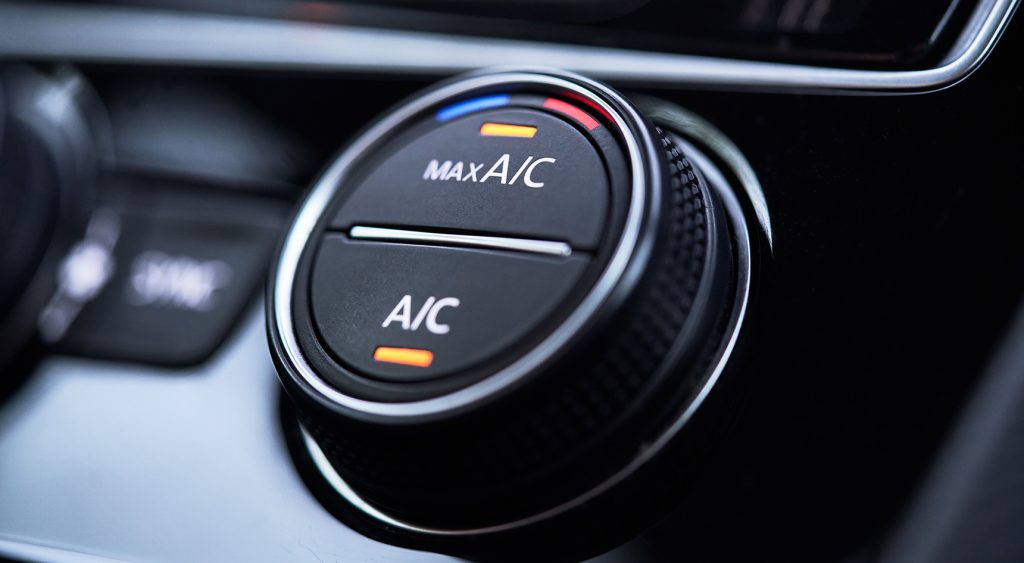
When it’s stinking hot outside, the air-con is usually the first thing on your mind after starting the ignition and putting your seatbelt on. But in winter, it’s often overlooked. Car air-con systems are designed to run regularly. Leaving them idle can dry out seals, wear the compressor prematurely, allow moisture and bacteria buildup and cause belts and hoses to crack. These are all potentially expensive fixes.
Solution: Run your air-con for at least ten minutes every couple of weeks, even in winter. Some cars run the air-con automatically when you select the demister, but if yours doesn’t, turn it on yourself. It’ll clear those foggy windows much faster too.

5. Leaving bird poo on your car
Bird poo contains uric acid. Over time, this can corrode your car’s paint and clear coat. The effect is worse in hot weather, as the combination of heat and acid can cause permanent staining in only a few hours. Along with the damage it causes, leaving bird poo on your car for too long makes it harder to remove.
Solution: Remove bird poo as soon as you notice it but wet or hose it thoroughly first. A damp microfibre cloth and detailing spray works wonders. Keep some cleaning gear in the boot if you regularly park under trees or near water. Regular waxing also helps by creating a barrier between the bird poo and your paint, buying you more time before damage occurs.