

Healthy habits
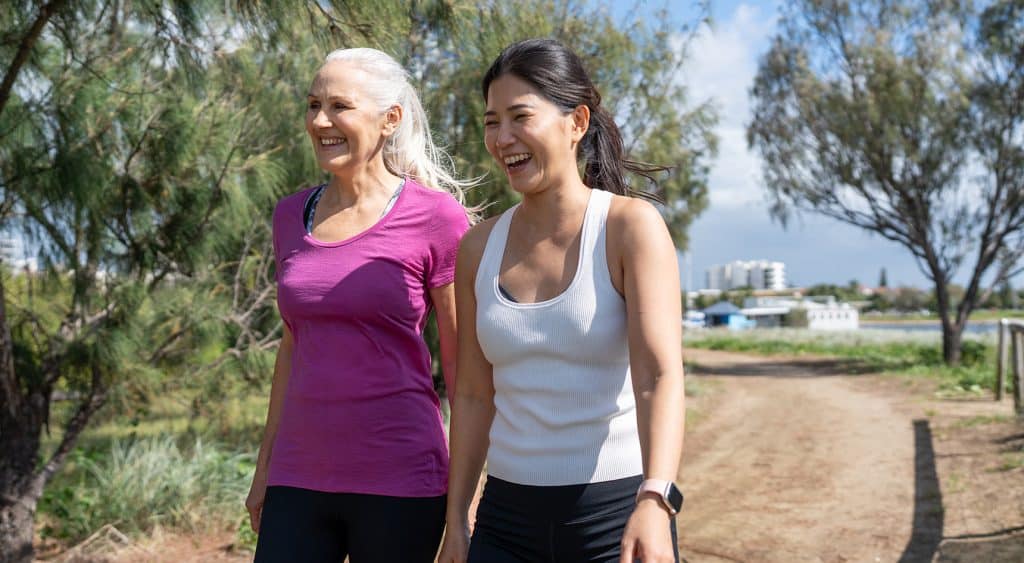
Life is hectic with family and work commitments, meals to cook and your home to clean.
Your wellbeing can get lost in the daily hustle and bustle, but some simple changes can help you live a healthier life.
Diet, sleep, physical activity, and robust mental health are all crucial to our wellbeing. They’re proven to reduce our risk of disease, boost our moods and increase our energy levels. It’s important we listen to our bodies and minds; we can sense when things are awry, and find ways to address any problems.
Here are a few ways you can take some simple steps to help improve your health and wellbeing in 2026.
Nature’s medicine
Getting off the couch or the work-from-home chair is a no-brainer to improve health and fitness. If your budget doesn’t stretch to purchasing a gym membership or expensive exercise equipment, there are other ways to work out.
The Australian Government Department of Health, Disability and Ageing recommends adults aged 18–64 do 150–300 minutes of moderate-intensity activities, such as brisk walking and gardening, or 75–150 minutes of high-intensity activities, such as jogging and fast cycling (or a combination of both), every week.
Try to spread this across most, if not all, days of the week. Adults aged 65 and older are encouraged to be physically active for 30 minutes each day.
Start small and build as you go. Invest in a good pair of sneakers or dust off the old pushbike in the shed. Go for a walk or a ride and it won’t take long to see improvements to your health.
Chair of the Australian Medical Association (AMA) SA’s Committee of General Practice Dr John Williams says it’s vital to establish the right mindsets and habits.
“Find an activity, however small, and build it into your day,” he says.
“It might be a 30-minute walk or bike ride after work, taking the stairs instead of the lift, or getting off the bus a stop early. The more you move, the better.”

Combine your physical fitness regime with healthy eating. The Australian Dietary Guidelines recommend a balanced diet high in vegetables, fruit, legumes, grains, lean meats, poultry, fish, eggs and dairy. However, fewer than seven per cent of adults consume a healthy diet, with fewer than five per cent meeting the daily fruit and vegetable requirements, according to Australian Institute of Health and Welfare data from 2022.
“Try following a Mediterranean-style diet – full of fruits, vegetables, whole grains, legumes and healthy oils,” Dr Williams says.
“Research shows it can help reduce the risk of strokes and heart attacks.”
Mind over matter
Physical activity positively affects your mental health by releasing mood-boosting brain chemicals like endorphins and serotonin.
We’re also spoilt for choice when it comes to stress-reducing hobbies and habits we can add to our schedules.
Find an activity or two that makes you feel good and allows you to take a break from the busy routines of everyday life. Perhaps it’s meditation, yoga or deep breathing exercises. Consider practising mindfulness, where you focus attention on the present moment and accept your thoughts or feelings without trying to change them.
Your wellbeing pursuit might be something creative, such as painting, writing, or playing a musical instrument. Maybe listening to music, reading, crossword puzzles or volunteering are activities that fill your cup.
We’re all different, so find time to enjoy your favourite activities regularly – your body and mind will thank you for it.
Snooze to win
They say an apple a day keeps the doctor away. It’s a nice sentiment, but our health is much more complicated than quaint proverbs.
At any age, it’s important to have regular health check-ups. Dental check-ups, eye and hearing tests, skin cancer checks, and monitoring your cholesterol, heart, and other vital organs should be part of your personal health regime.
Dr Williams says finding a general practitioner (GP) you’re comfortable with is a crucial part of staying healthy.
“Seeing a GP regularly means they can keep track of your health and provide you with tailored information and treatment,” Dr Williams says.
Having your health checked needn’t be expensive. You may be entitled to free eye checks with your local optometrist or blood pressure checks at a nearby pharmacy.
If you have health insurance, see if you can access free or discounted health checks, such as telehealth appointments or gap-free check-ups at a dentist or physiotherapist within your health insurer’s network.
Note: This is general information only. Always consult a healthcare professional for advice specific to your circumstances.
Ready to boost your wellbeing?
RAA members save on health and wellness goods and services.