
What are on-road costs?

When you’re shopping for a new or used car, you’ll usually see the term ‘excluding government charges’ or ‘drive away’ attached to the dealer’s advertised price. So, what do these terms mean and how do they differ?
The base price of a new vehicle in a showroom is usually the manufacturer’s suggested retail price (MSRP), including GST and the luxury car tax (LCT) if applicable.
LCT applies to passenger vehicles up to two years old that are priced above the LCT threshold, which is currently $91,387 for fuel-efficient vehicles and $80,567 for other vehicles. It’s fixed at 33 per cent and is only calculated on the amount above the threshold, not the total price of the vehicle. Several conditions and exclusions apply.
Of course, other fees ensure you’re not driving your new toy from the dealership having only paid the MSRP.
Stamp duty
Stamp duty is a tax that’s been around since the late 1600s, and in the early days it applied mainly to property transactions. These deals required the relevant documents to be stamped.

Fast forward 400-plus years and this tax now applies to a range of transactions, including buying a car.
Stamp duty is paid by the buyer of a new or used vehicle, based on the vehicle’s value. There are different rates for commercial and non-commercial vehicles, but here we’ll focus on the non-commercial rate.
Here we go.
For a vehicle with a value of $1000 or less, the rate is $1 for every $100, with a minimum of $5 payable. So, if the car’s only worth $200, the buyer still needs to pay $5 duty, not $2.
For a vehicle valued at more than $1000, but not exceeding $2000, the rate is $10 plus $2 for every $100.
If the value is greater than $2000, but not more than $3000, the rate is $30 plus $3 per $100.
Beyond $3000, the rate is $60, plus $4 for every $100.
To avoid the dreary task of calculating stamp duty, enter the vehicle’s value into Revenue SA’s online calculator.
Registration fee, including compulsory third-party insurance (CTP)
For non-commercial passenger vehicles, the registration fee is based on engine configuration. Four-cylinder cars and electric vehicles are cheaper to register than six-cylinder cars, which are cheaper than those sporting eight-cylinders.
Cars with less than four cylinders or more than eight cylinders are charged at the four-cylinder and eight-cylinder rates respectively.
Engine configuration has no bearing on CTP, however there may be slight price variations depending on which insurer the vehicle owner chooses.

Both registration and CTP fees are cheaper for vehicles registered in rural areas.
Transfer fee
A transfer fee is payable when the vehicle registration is transferred to the new owner. The fee is a flat $31, but if it isn’t paid within 14 days, the buyer may incur a $105 late fee.
Dealer delivery charge
Dealers add this fee to the base price, but it’s less about the car being delivered to the dealership, and more about the vendor preparing the vehicle for buyers.
Among other bits and bobs, it includes cleaning and detailing, mechanical checks, taking rego forms to Service SA and screwing on the number plates.
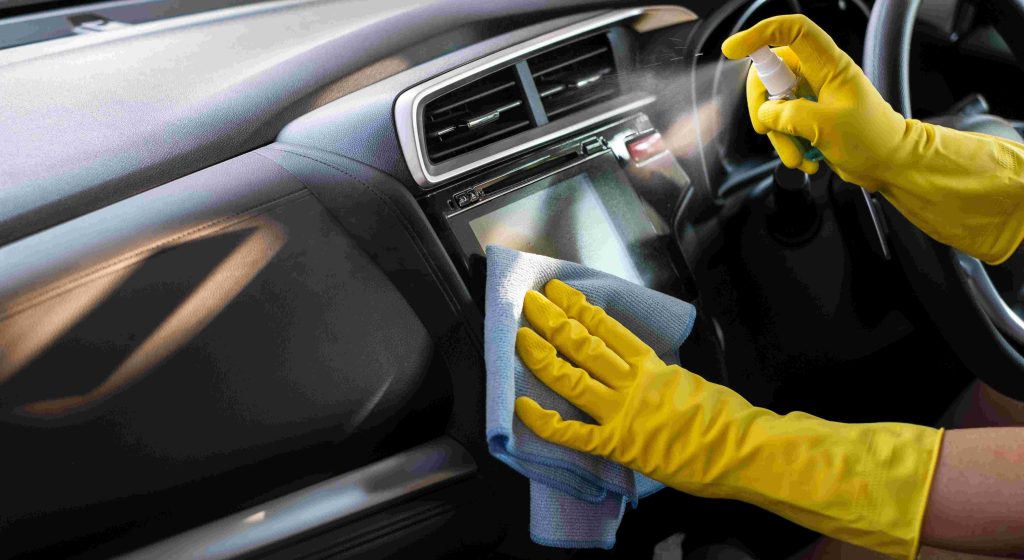
There’s no set amount for a delivery charge, and it can range from about $1000 to much more. There’s usually padding built into this charge, which allows the dealer a little more wiggle room when negotiating the final price.
Drive away versus excluding government charges
In a nutshell, the drive away price of a new car includes:
- Stamp duty
- Registration and CTP
- Transfer fee
- Dealer delivery charge
- Enough fuel in the tank or charge in the battery to drive away.
When the advertised price of a car includes the disclaimer, ‘excluding government charges’, the buyer will need to pay stamp duty, the transfer fee, plus rego and CTP if the vehicle’s unregistered. GST is payable on used cars bought at a dealership and this is included in the sticker price.
LCT usually only applies to used cars that have already incurred LCT, if they’re two years old or less and have increased in value.