

Are you ready for a bike breakdown?
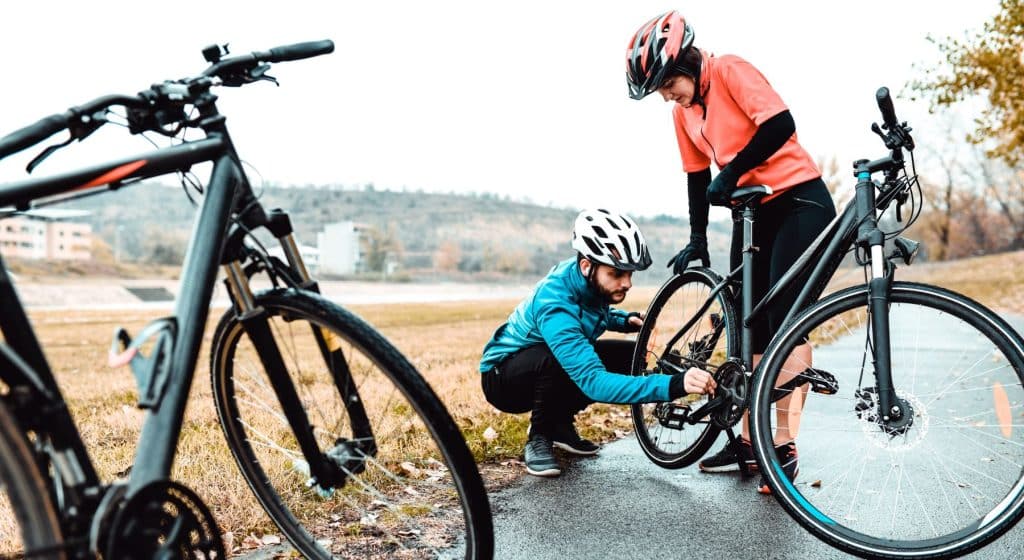
Cycling on South Australia’s extensive network of bike trails offers a true sense of freedom.
Away from traffic snarls and clogged shopping centre car parks, you can unwind and embrace the great outdoors… until your trusty ride breaks down.
Carrying some basic equipment means you can be back on the pedals in no time.
Let down
A flat tyre is a common cause of bicycle breakdowns. Small holes can usually be repaired with a glue-on patch. This can be done without removing the wheel, although wheel removal can make the job easier.
You’ll need sturdy tyre levers to lift one side of the tyre off the rim so you can pull the tube out, starting with the valve.
Using the pump you’ve wisely carried, pump air into the tube until you can hear it hissing from the puncture.
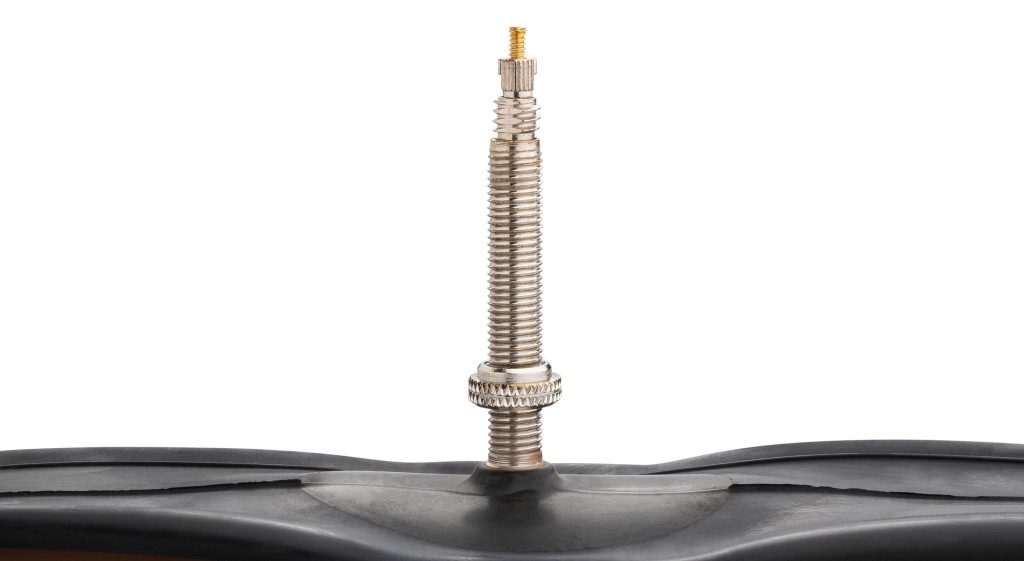
Keep in mind, there are two main types of tyre valve. Schrader valves are the same as those used on cars, while the thinner Presta valves are specifically for bikes. Make sure your pump fits the valves on your bike.
Before putting the tube back in the tyre, carefully check the inside of the tyre to ensure the cause of the puncture’s gone.
Plan B
Sometimes a puncture’s too large to repair or is in a difficult spot, like near the valve. In this case you’ll need to replace the tube, so it’s worth carrying a spare tube for peace of mind.
To change a tube, you must remove the wheel, which is easier with the bike upside down. If your bike has rim brakes rather than disk brakes, you’ll need to release the brakes before the wheel can be taken off the bike.
Each type of rim brake has a slightly different release method, but it’s usually a simple process that only takes a couple of seconds.
These days, most wheels are quick release, which makes their removal easier.

Some bikes have axle nuts securing the wheel, so you’ll need a spanner (usually 15mm) to remove them.
Once you’ve replaced the tube and secured the wheel to the bike, spin the wheel to ensure it’s not rubbing on the brake pads. If it’s rubbing, loosen the wheel and make slight adjustments to its position in the dropouts, which are the brackets in the frame where the axle sits.
Remember to reconnect the brakes.
If you practise repairing and changing tubes at home, you’ll be ready to go if you get a flat tyre.
Tool time
Brake levers and other bits and pieces attached to modern bikes are usually held on by Allen screws. Sometimes these parts wiggle loose, so it’s worth carrying Allen keys to tighten them.
Some parts, like warning bells, might be fitted to the bike with regular screws, so carry a flat blade or Phillips Head screwdriver, depending on the screw type. Multitools are available that include screwdrivers and Allen keys.
Checking over your bike before heading off can help prevent problems further down the track.
The list
Here’s a list of basic equipment to help get you back on your bike.
- Bike bag for carrying tools behind the seat
- Pump suited to the tube’s valve type
- Puncture repair kit with sturdy tyre levers
- Spare tube
- Allen keys, screwdrivers or multitool to fit the screws on your bike
- RAA Road Service membership card – if you’re an RAA Road Service member you can call for a patrol if your bike breaks down.