
5 FAQs about driving in the dark
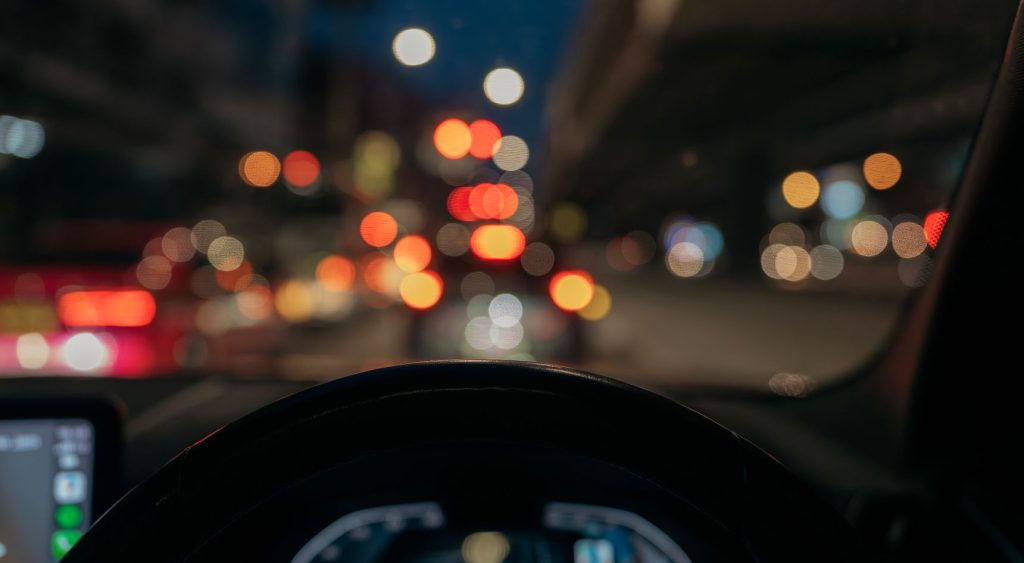
Driving off into the sunset isn’t as liberating as it looks in the movies. In fact, driving when the sun dips below the horizon can be dangerous if you’re not prepared.
Did you know people who have perfect vision can still find it hard to see about 100 metres in front of them while driving at night?
We answer five night-time driving questions to keep you and other road users safe as the days get shorter and the sky gets darker.
1. Should I drive slower at night?
Using your headlights on high beam can increase the distance the road ahead is visible but, in some conditions, driving a little slower at night can have even more of an impact, giving you more time to see and respond to situations, including wildlife on the road.
On the flip side, driving too slowly can create a hazard for other road users. If you’re travelling unusually slowly and obstructing traffic, you can be fined $228, plus a $105 Victims of Crime Levy.
RAA Senior Manager of Safety and Infrastructure Charles Mountain advises pulling over safely if you can’t see the road or pedestrians and cyclists at night.
“Always drive to the road conditions, especially when it’s raining or dark and you’re having trouble seeing your surroundings,” Charles says.
The Driver’s Handbook states: “Your driving speed at night should be adjusted to the range of your headlights.” In other words, you should be able to stop within the distance you can see ahead.
While it’s permitted to travel at the signposted speed limit at night, slowing slightly when you need can give you more time to react in an emergency.
Young drivers
Young drivers are up to seven times more likely to crash at night than during the day.
There’s a midnight to 5am curfew for P1 licence holders under the age of 25.
Drivers on L-plates must have at least 15 hours of night-time driving experience with a qualified supervising driver.
Source: Department for Infrastructure and Transport
2. Can I drive with my high beam or fog lights on?
At night, your ability to see is limited because eyes rely on reflected light to perceive objects. Your vehicle’s lights can help you see further and be seen by other vehicles, but only when used correctly.
Headlights are required to be on between dusk and dawn and when weather conditions reduce visibility. The use of high beams can significantly increase the distance that the road is illuminated ahead, but must not be used when other traffic is present or in built-up areas with streetlights.
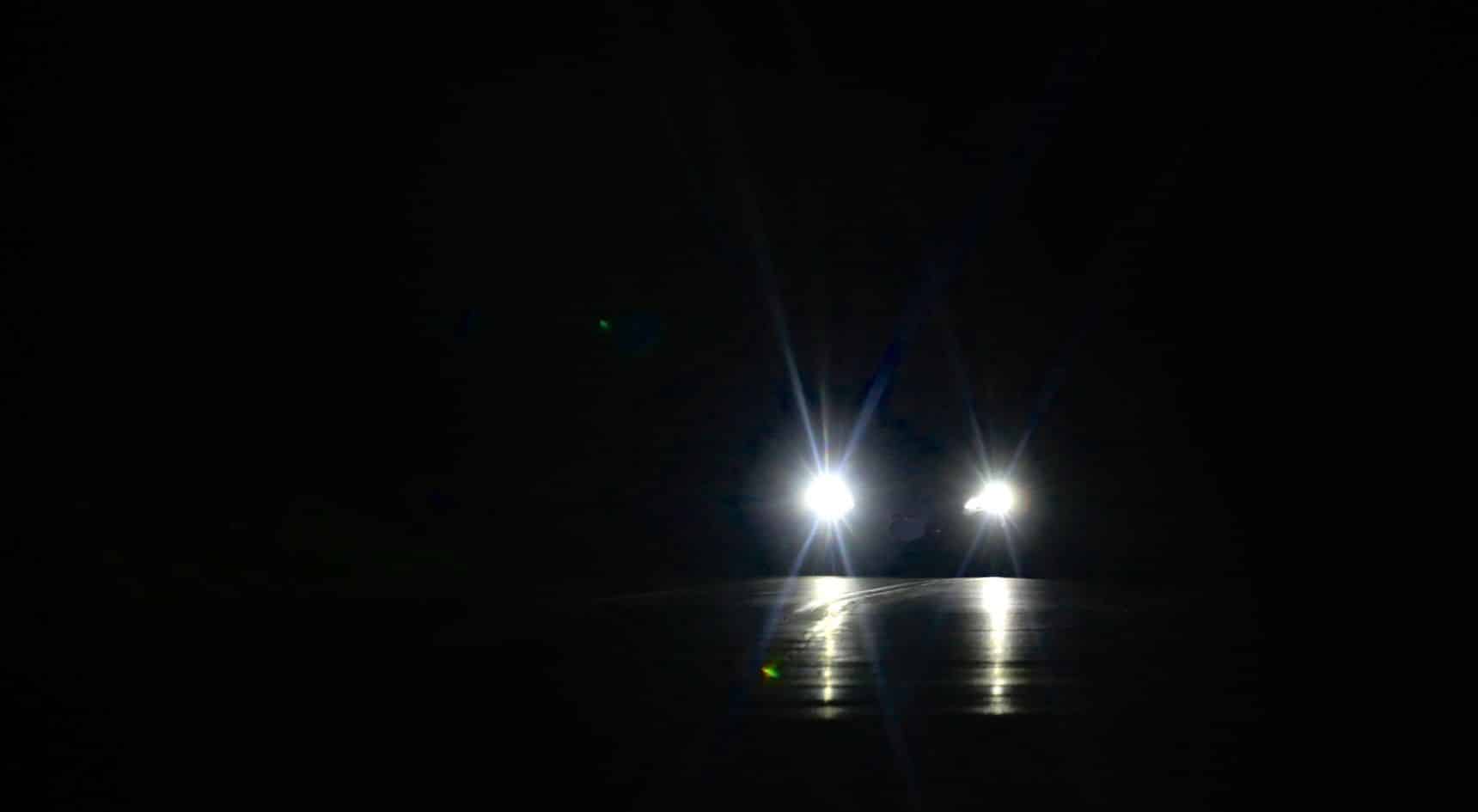
The Australian Road Rules prohibit using high-beam headlights within 200 metres of an oncoming vehicle or one travelling in the same direction. Doing so can lead to a $300 fine, plus a $105 Victims of Crime Levy and one demerit point.
Always dip your high beams when approaching another vehicle or coming up behind another vehicle to avoid dazzling the driver.
Light laws
The fine for using high-beam headlights within 200 metres of an oncoming vehicle, or one travelling in the same direction.
“If you’re dazzled by another vehicle’s high beams, slow down,” Charles says. “If you can’t see, stop on the side of the road as soon as it’s safe.”
Tip: focus on the left-hand side of the road rather than looking directly at headlights.
Lastly, forget fog lights on clear nights as they must only be used instead of headlights in low-visibility conditions like fog, dust or heavy rain. You’ll be fined $300, plus a $105 Victims of Crime Levy for using your fog lights when not permitted.
3. I need to park my car on the road overnight. What’s the rule?
If you leave your car parked on a road at night and it’s not clearly visible from 200 metres under a streetlight, you must switch on your vehicle’s front and rear parking lights, even when you’re not in the vehicle. Failure to do so may lead to a $300 fine, plus a $105 Victims of Crime Levy.
4. Any tips for getting my vehicle night-ready?
Ensure all your vehicle’s lights are operational before hitting the road, including the number-plate light. Driving at night or in conditions of low visibility without effective lights, including the number-plate light, may incur a fine of $300 and a $105 Victims of Crime Levy.
Driving on worn or damaged tyres is never a good idea at any time of the year, but particularly heading into autumn and winter when wet weather conditions are more prevalent.
Tyres with low tread depth typically mean longer stopping distances. Aim to change your tyres before they get to the legal minimum of 1.5mm.
“Temperatures also fall at night, and so does tyre pressure,” Charles explains. “So, check tyre pressure when tyres are cold, typically in the mornings.”
5. What happens if I encounter wildlife on the road?

You’re more likely to encounter wildlife on regional roads early in the morning and just before sunset. Collisions with kangaroos and wallabies make up 90 per cent of animal road accidents in Australia, according to the RSPCA.
Make sure your lights and horn work before heading off so you’re seen and heard by all road users, including furry ones.
“Sounding your horn is normally enough to have the animal back away from the road,” Charles says. “But never swerve to avoid hitting an animal; instead brake firmly or come to a safe stop on the side of the road.”
Final word
If you find it harder to see clearly at night, it might be time to get your eyes tested.
“Driving at night places additional demands on our eyes so make sure your night vision is as good as possible,” Charles says.
Try dimming your dashboard lights to minimise glare and keep the windscreen clean inside and out to further improve visibility of the road. Most importantly, if you start to feel drowsy while driving, pull over safely and rest.
Everybody wants a fairytale ending of driving safely into the sunset. Just remember, staying safe behind the wheel is the responsibility of all road users, day and night.