

3 ways to an ant-free home
Like all living organisms, ants play a role in our ecosystems. But they belong outside – not scurrying around the kitchen sink or setting up camp in the bathroom.
SA has several species of space-invading ants, including the black house ant, the ghost ant and the coastal brown ant.
Ants aren’t just annoying; they can contaminate your food and even start electrical fires. But you can take steps to prevent them from coming into your house or booting them out if they’ve made themselves at home.
Ants not welcome here
Common to all ants is their ongoing need for water and food, especially sugary and fatty foods. Leave traces of their favourite foods and they might start marching into your house and putting down chemical trails so their mates can join the party.
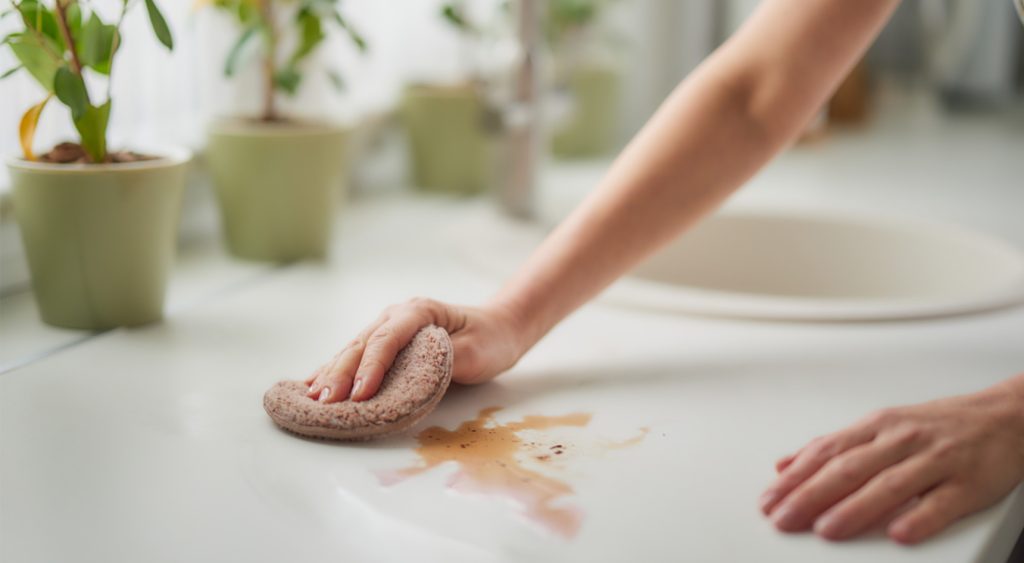
First, the kitchen. Keep the floors and benches crumb-free and clean up spills immediately. Try lemon and vinegar sprays as they’re natural deterrents and help break up the chemical trails.
Put sweet items, such as sugar, honey and maple syrup, and fatty foods, such as peanut butter (an ant favourite) in an airtight container. Place fried foods, nuts, and meat in the fridge to protect them from ants. Empty your rubbish bin regularly and don’t leave dirty dishes in the sink.
If you feed your dog or cat inside, only give them an amount of food they’ll eat in one go, and if it’s outside, keep the feed bowl well away from the house. If your pet has leftovers (no such thing if you own a golden retriever), surround the feed bowl with a moat to help prevent ants from accessing it.

Get plugging
According to Complete Pest Control, ants can enter your home via cracks and crevices, especially during the warmer months. They can also establish nests in the ceiling or wall cavities before long.
Try to follow the ant trails to see where they’re entering your house. Check doors, windows, walls and any other gaps where they could be or are getting in and seal them. Silicone is ideal for smaller gaps but if you find bigger entry points, you may be able to use an expanding polyurethane spray foam.
Ants are attracted to damp areas, so repair any leaking taps or pipes. They can also nest in mulch and woodpiles so keep them away from your house’s foundations. Another trick is to keep tree branches and shrubs trimmed and at least 30cm from the house – any closer and tree-based ants can build a bridge to gain access.
Eradicate the ‘ten-ants’
When all else fails, it’s time to pull out the big guns. The only way to get rid of ants permanently is to destroy the nest and, depending on the infestation’s severity, a do-it-yourself solution is worth a try first.
You’ll find a variety of ant baits and treatments at your local hardware store or nursery, so try a few to see which works best. Dust and spray-based treatments can be applied directly to the nest; spraying windows and doors with insect sprays can also be done to prevent ants from entering the house. Granular, liquid and gel-based baits attract ants with the aim of destroying the queen and larvae.
If you’re looking for a home remedy, mixing borax with sugar and water to create a paste can be effective. The ants will take the mixture back to the nest and the borax will kill them. If you find the nest outside, pouring boiling water into it can help, but it may only be a temporary solution.
If you’re still having trouble with ant infestations, it may be best to call a pest control company to assess your property and provide a targeted solution.
Got unwelcome critters at your place?
RAA Members save at Complete Pest Control.