

Light laws
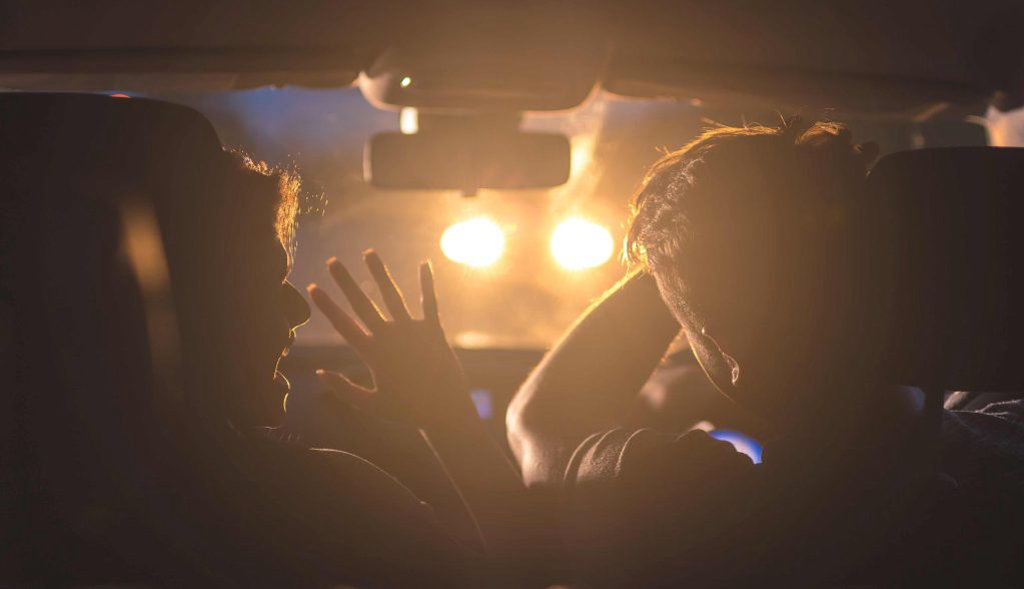
Cars are equipped with a variety of lights, including indicators, brake lights, number-plate lights, headlights and high beams.
While lights help us see and be seen, there are lots of rules regarding their operation.
We look at some of the regulations surrounding the use of lights and the penalties if the rules are broken.
Light in the dark
At night or in poor visibility, it’s vital to ensure you car’s headlights, taillights, and number-plate lights are working properly and are clearly visible.
If your car’s fitted with front fog lights (see below), these can be used instead of headlights in low-visibility conditions, like fog, dust or heavy rain, but not on a clear night.
Penalty
The penalty for driving at night or in low-visibility conditions without effective lights is $300, plus a $105 Victims of Crime Levy and one demerit point.
Low visibility
Some cars have front fog lights that provide a low, wide beam to help illuminate the road ahead when visibility is poor, such as in foggy, dusty and rainy conditions. Rear fog lights can make a car more visible from behind.

However, in normal conditions, including on a clear night, fog lights can dazzle other drivers, so it’s illegal to operate them outside their intended use.
Penalty
Using fog lights incorrectly could set you back $300, plus a $105 Victims of Crime Levy.
Bright lights
High beams are ideal for lighting the road ahead, especially when driving in regional areas at night. However, at close quarters these powerful lights can dazzle oncoming drivers and motorists travelling in the same direction.
Always dip your high beams when approaching another vehicle.
Penalty
Using high beams less than 200m from an oncoming vehicle or a vehicle travelling in the same direction could cost you $300, plus a $105 Victims of Crime Levy and one demerit point.
Changing direction
Before the advent of electric indicators, drivers would signal a right turn by sticking their arm out the window. Bending the arm up 90 degrees from the elbow meant a left turn. A flick of a lever has done away with this risky practice.
It’s important to give other drivers ample warning of your intentions when changing lanes, turning left or right, merging into traffic or pulling out from the roadside.
Drivers must indicate long enough to provide sufficient warning to other road users and pedestrians. Before pulling out from the roadside, drivers must indicate for at least five seconds.
Penalty
Failing to give enough warning when changing direction or failing to signal for a least five seconds when moving from a stationary position, including a median strip parking area, attracts a $392 fine, plus a $105 Victims of Crime Levy and two demerit points.
Failing to cancel indicators once the manoeuvre’s completed could cost you $262, plus a $105 Victims of Crime Levy and two demerit points.
Hazard helpers
Hazard lights simultaneously activate left and right indicators and can be used to warn other road users that:
- Your vehicle is stopped and is obstructing, or is likely to obstruct, the path of other road users or pedestrians.
- Your vehicle is stopped in an emergency stopping lane.
- You’re driving in hazardous weather conditions, such as fog, dust or smoke.
- Your vehicle is slow-moving and is obstructing, or is likely to obstruct, the path of other road users or pedestrians (this doesn’t apply to vehicles stuck in slow-moving traffic).
Hazard lights can also be used as part of anti-theft or alcohol interlock devices, and bus drivers carrying children can activate hazard lights when stopping to pick up or drop off a child.
Penalty
Using hazard lights other than for their intended use can result in a $161 fine, plus a $105 Victims of Crime Levy.
On your bike
Bikes are particularly difficult to see at night, so it’s not only a vital safety measure but also a legal requirement that riders ensure their bikes are well lit when the sun goes down.
At night, bikes must display a white light on the front and a red light on the rear, that a clearly visible from 200m. A red rear reflector must also be fitted.
Penalty
Riding a bike at night without an effective front and rear light could make a $70 dent in your wallet, plus a $105 Victims of Crime Levy.